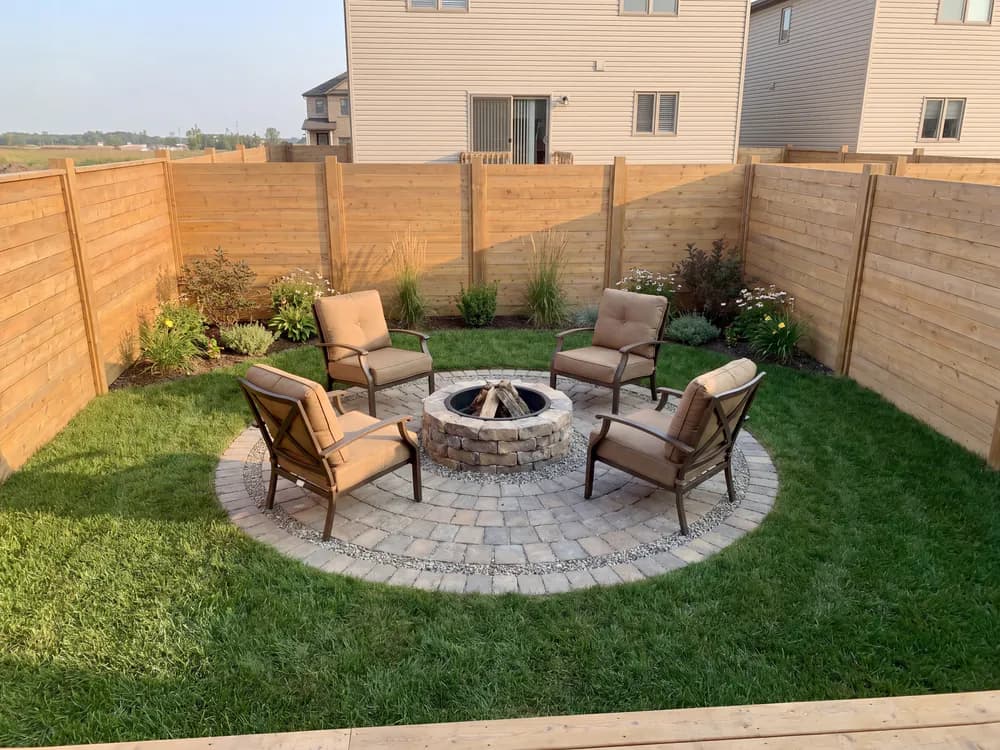
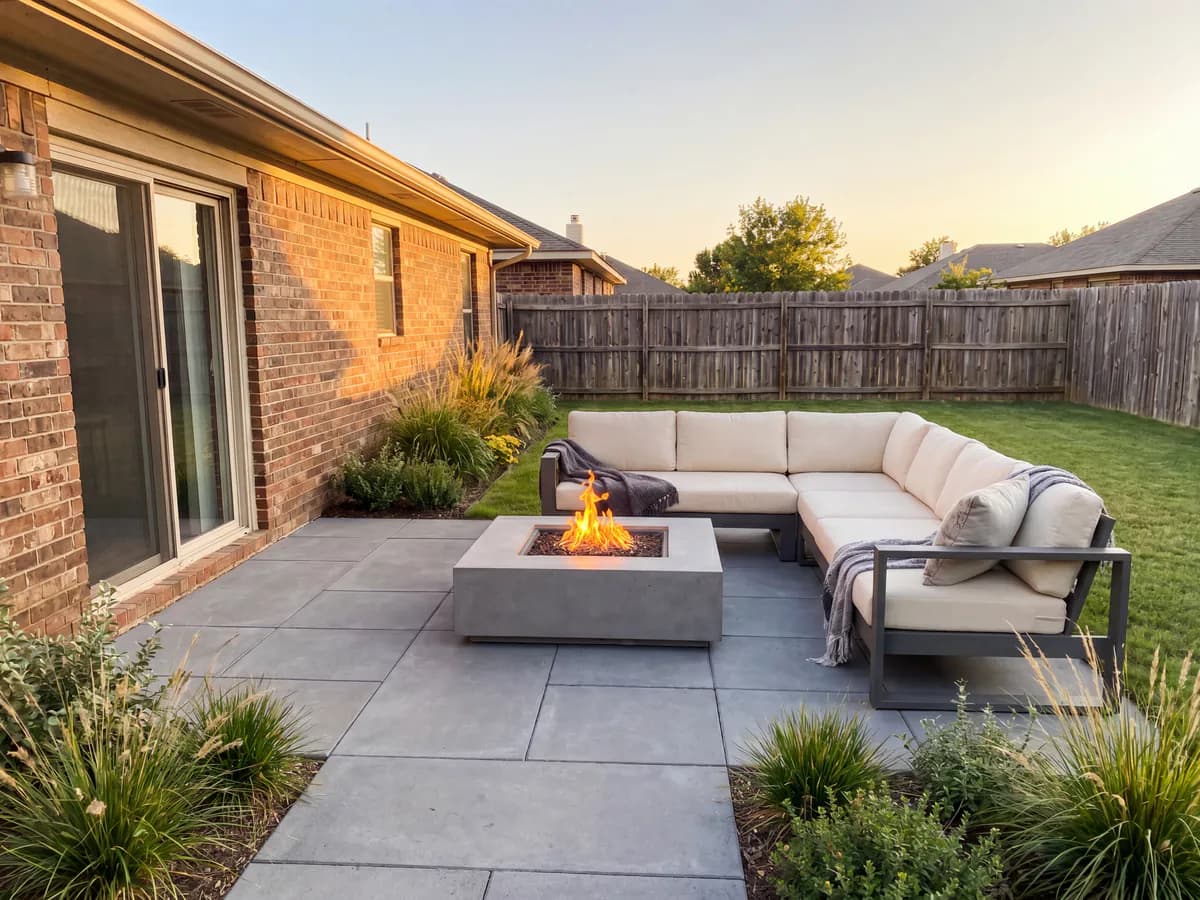
“We almost set the fire pit too close to the house. Seeing it placed right on our own patio first saved us a costly redo here.”
Homeowner
Backyard fire pit
A fire pit is easy to place wrong and costly to redo. Photograph the patio or lawn and see the fire pit, seating, and materials on your real space before you build.


Homeowners, DIYers, sellers & landscapers
Featured in






A fire pit sets the whole gathering spot. It is expensive to get wrong.
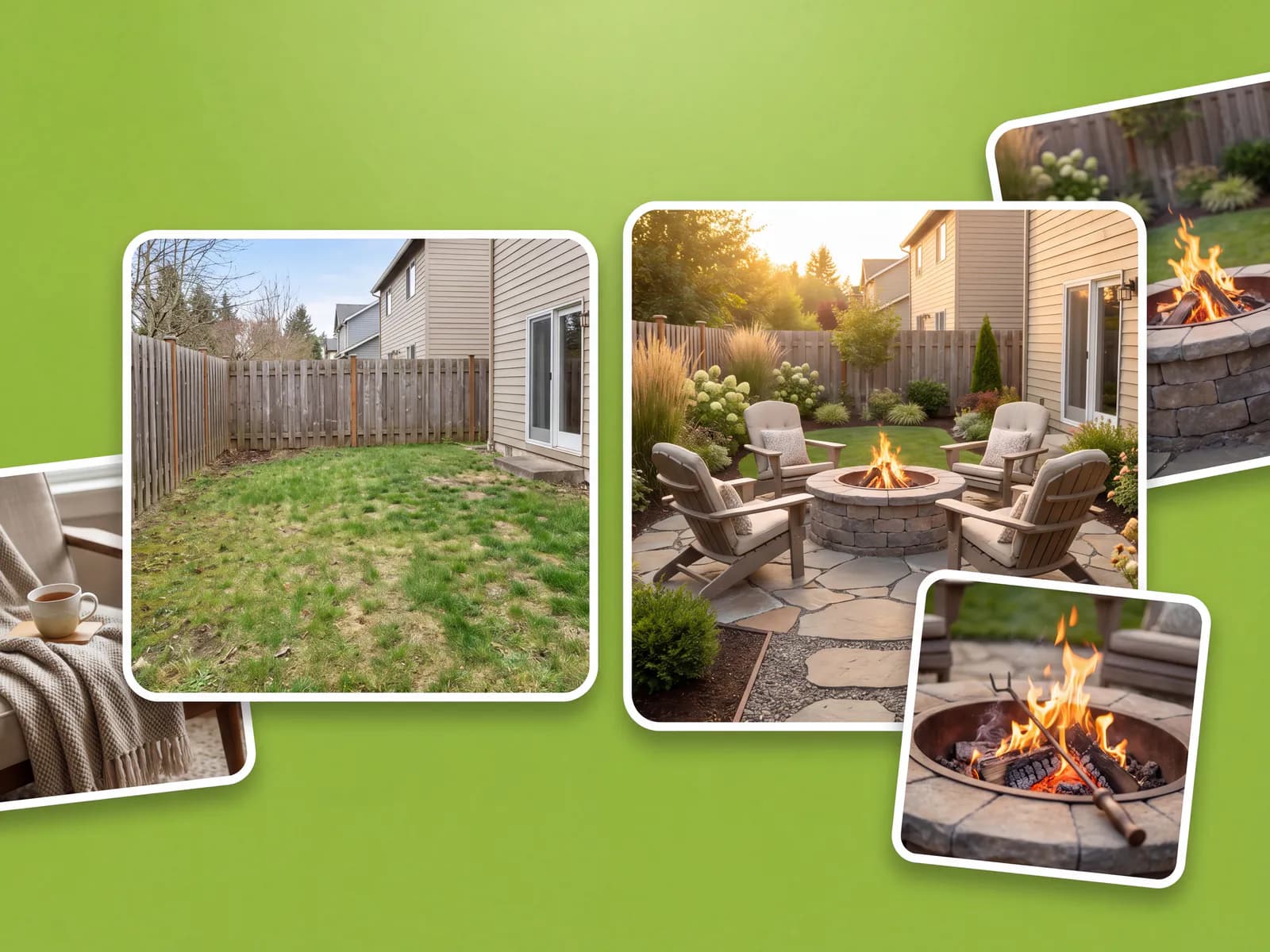
A stone, gas, or sunken fire pit in your actual yard, at the real scale, before you pour a base or buy a kit.
Too close to the house, or too small to gather around, are the usual mistakes. Test the placement before you commit.
No sketching to find out whether a round pit or a linear fire feature suits your seating.
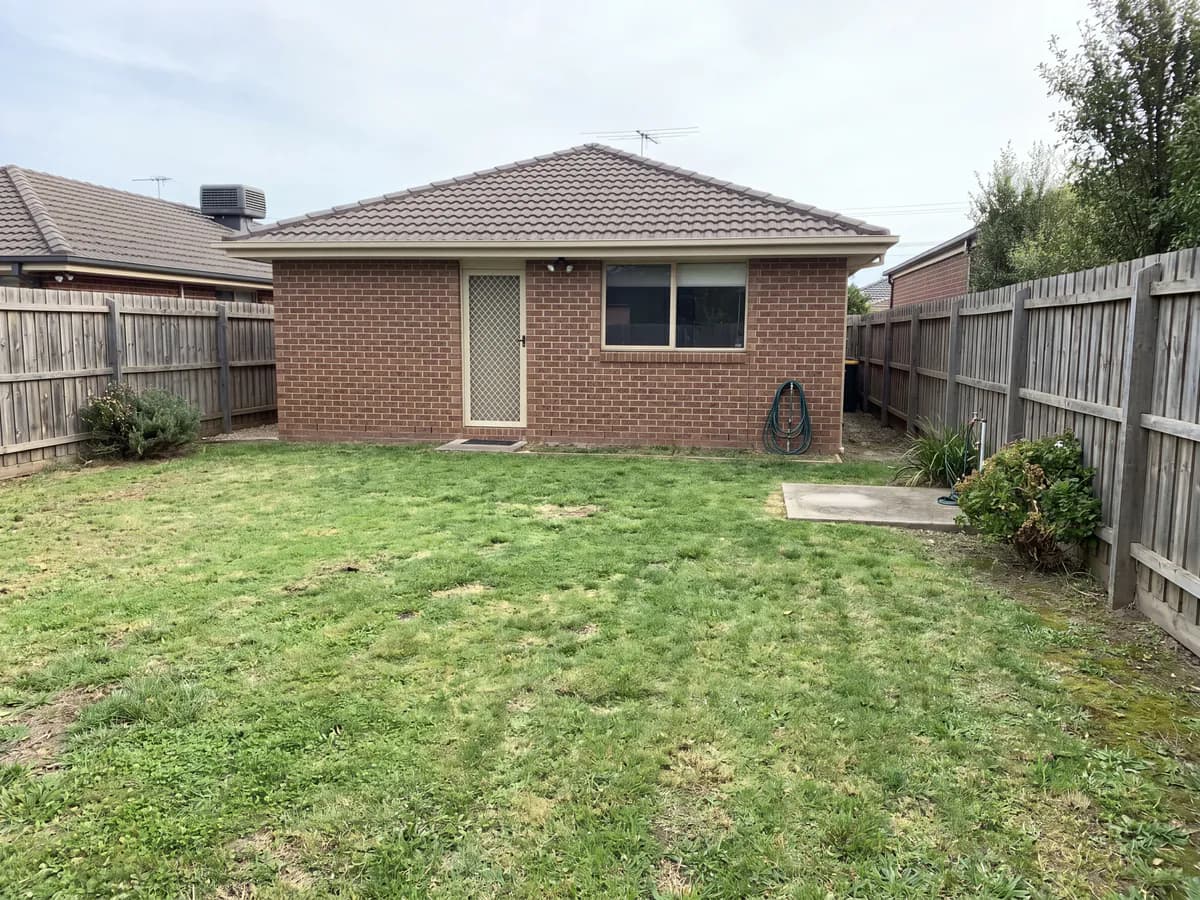
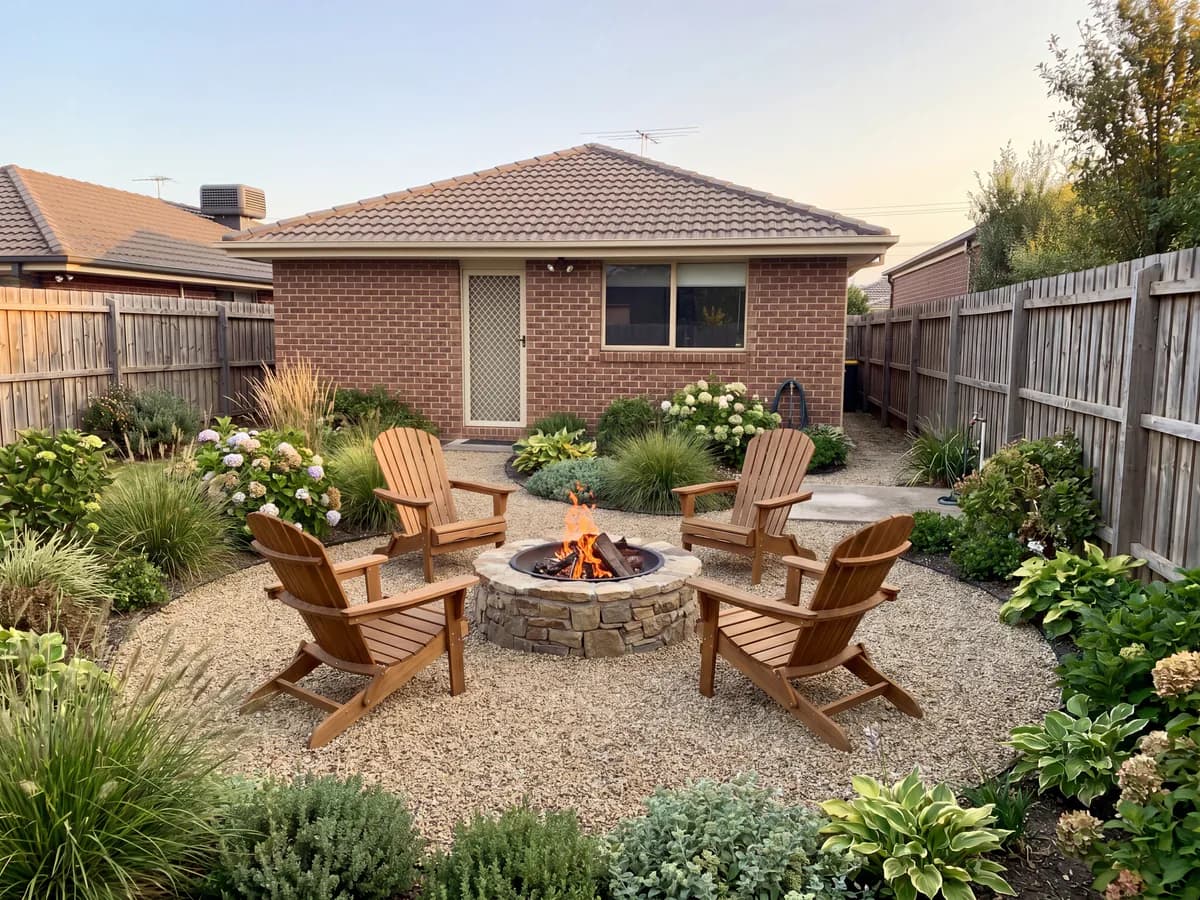
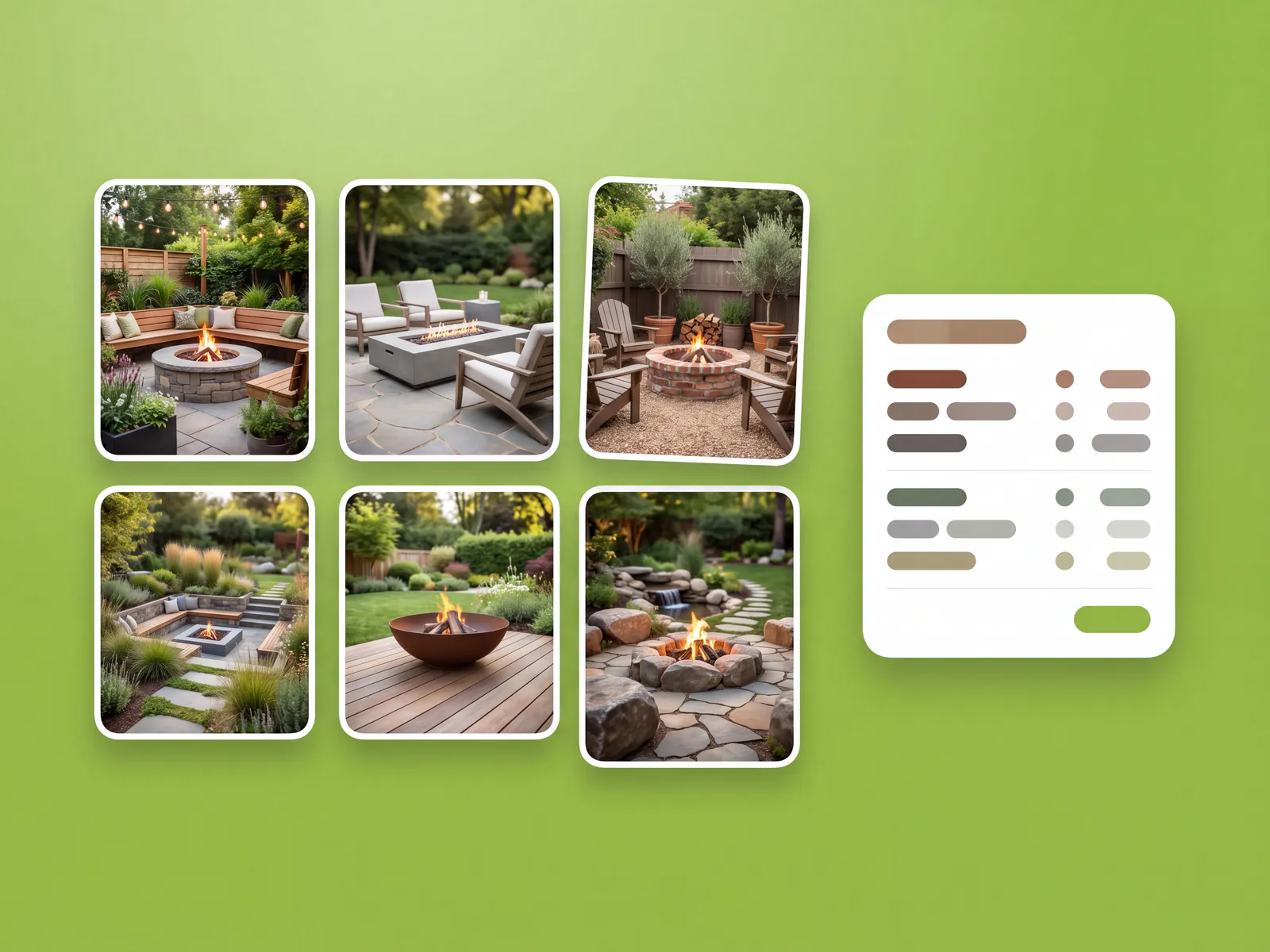
Stone, modern, and sunken fire pit looks applied to a photo of your actual patio or lawn, not a stock yard.
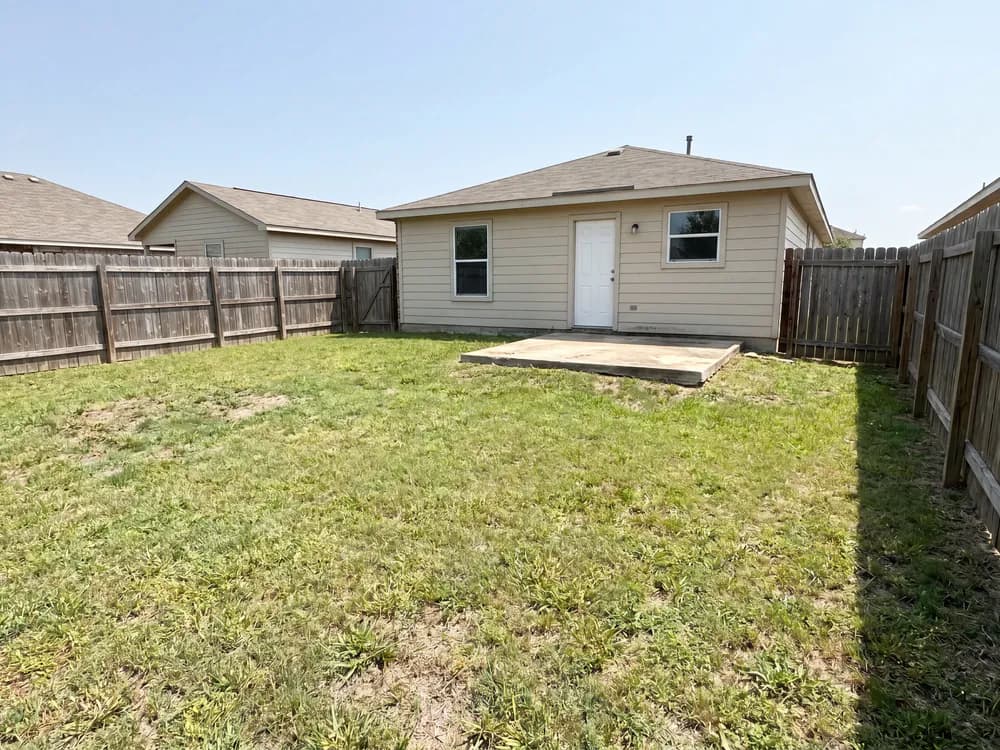
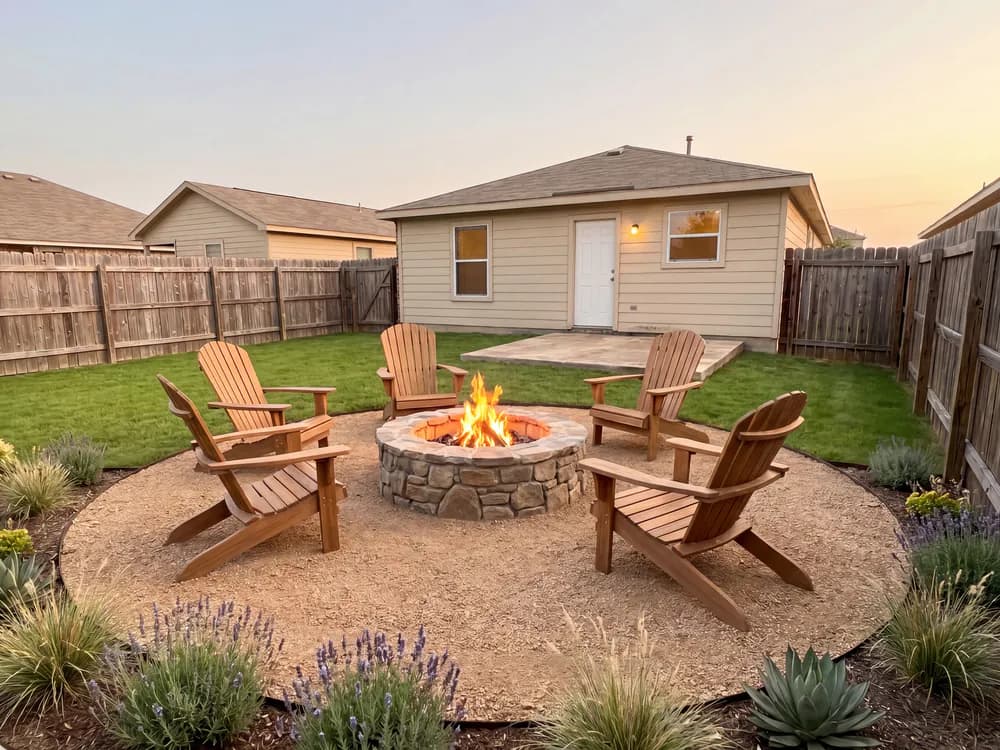
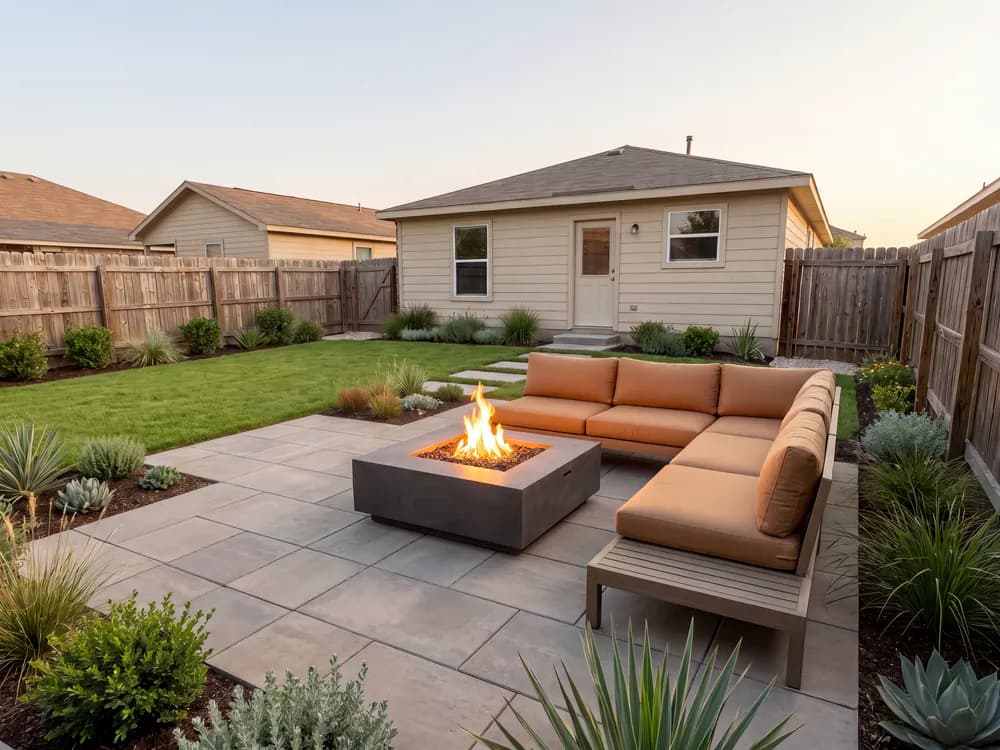
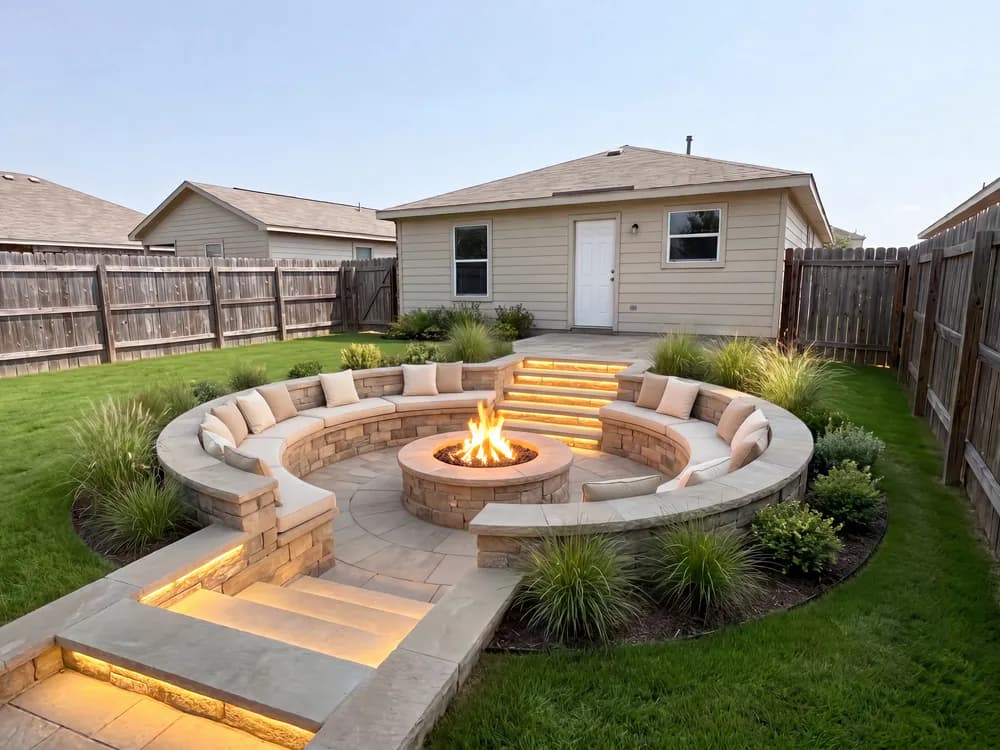
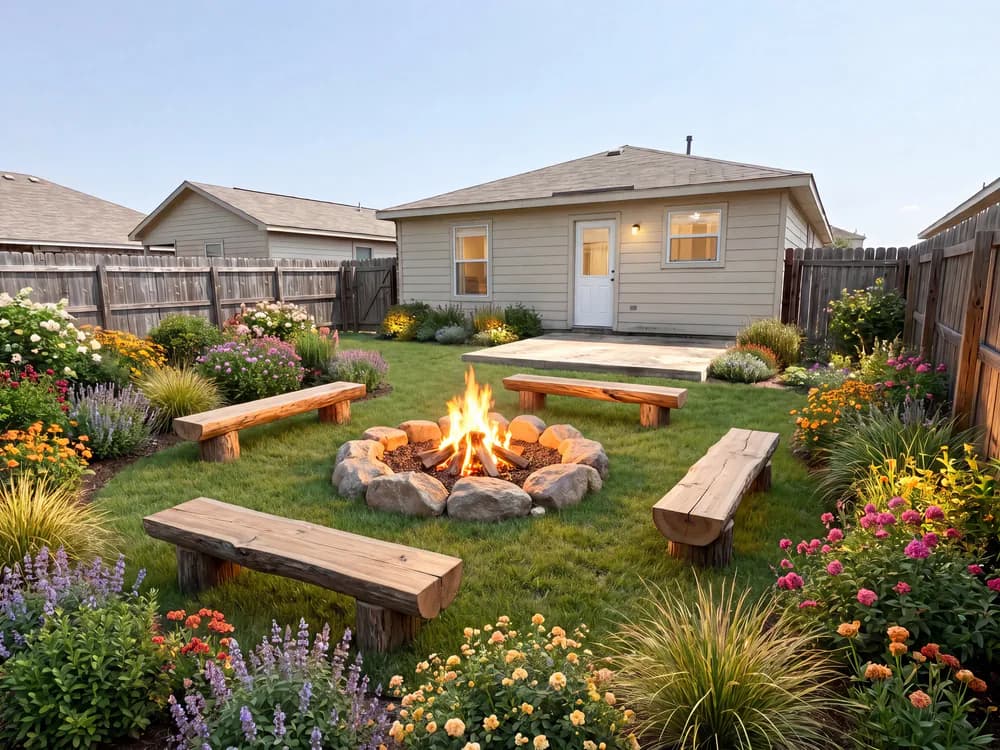
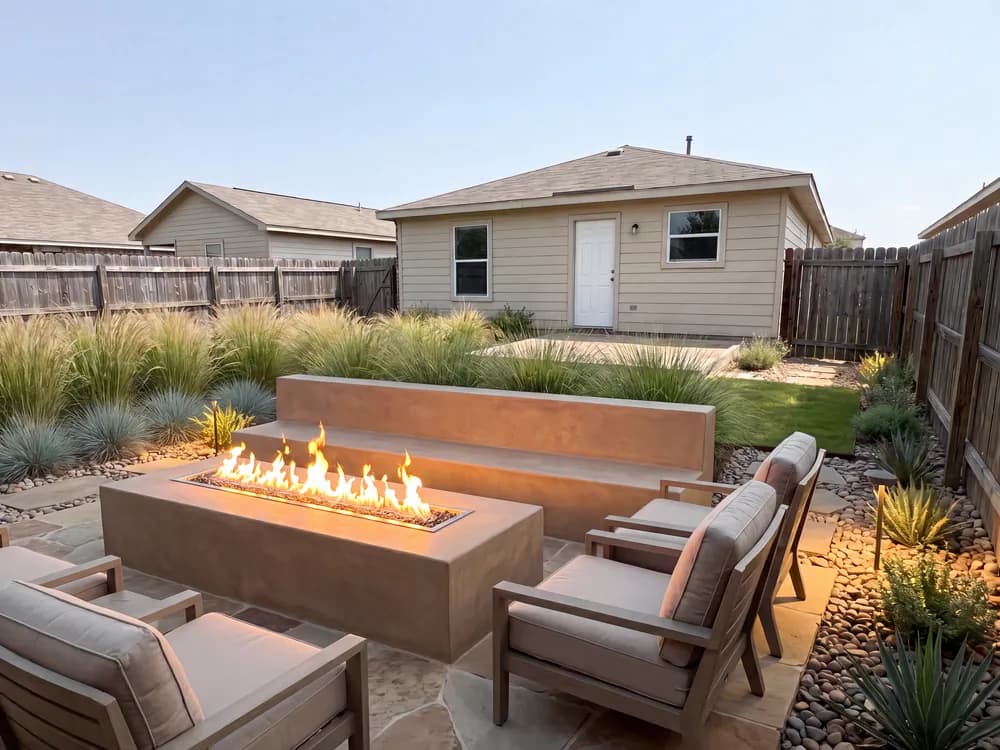
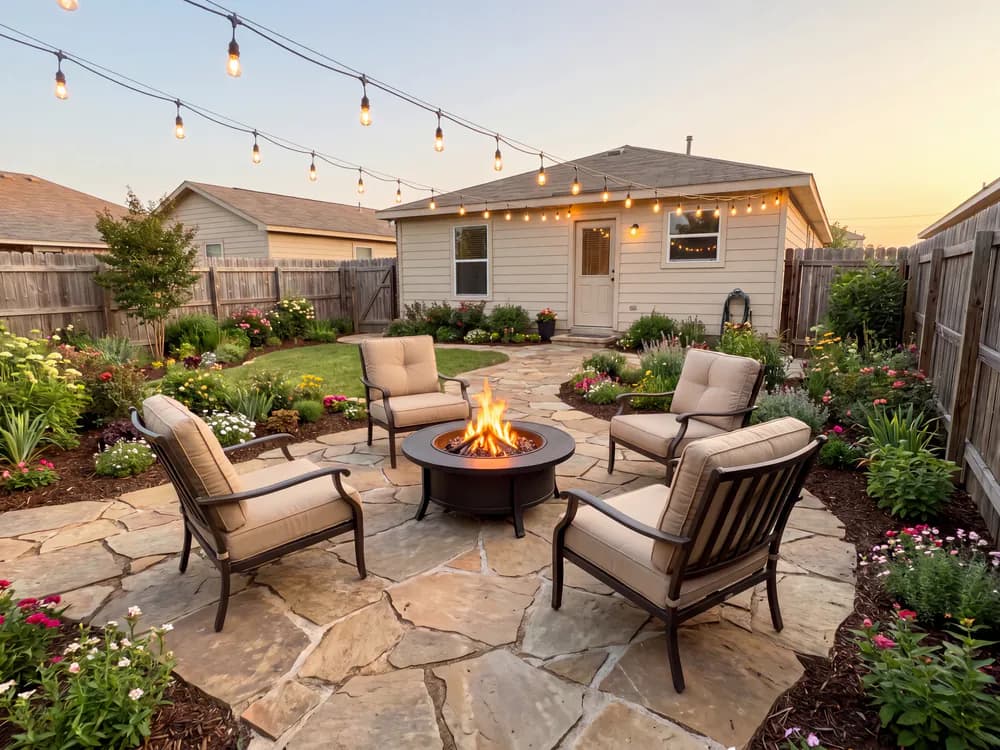
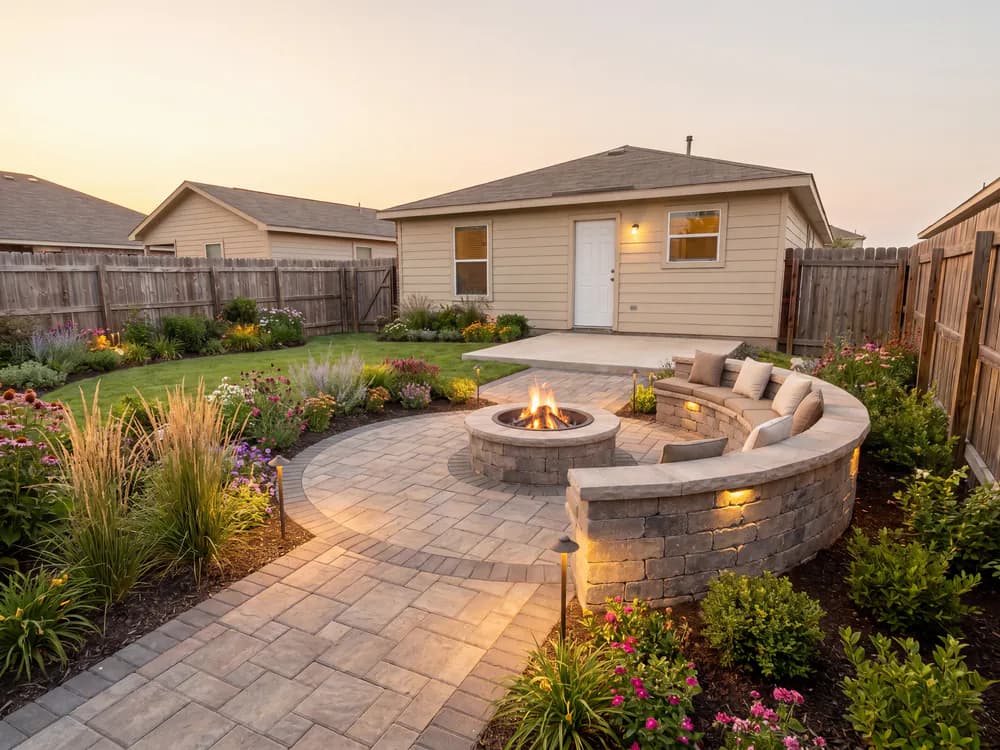
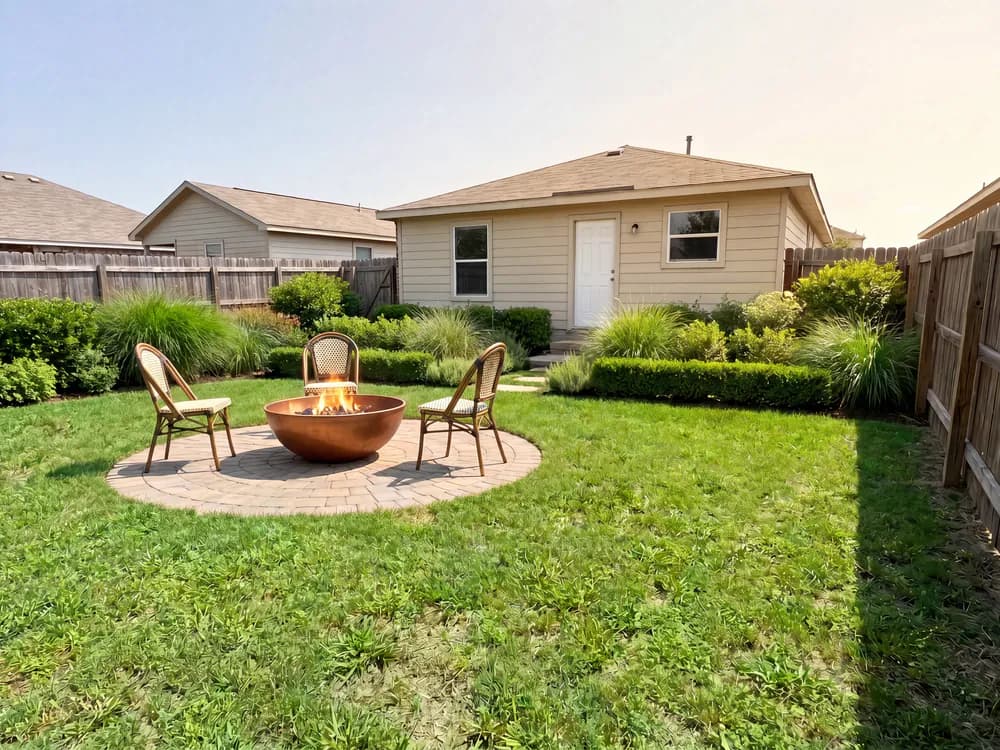
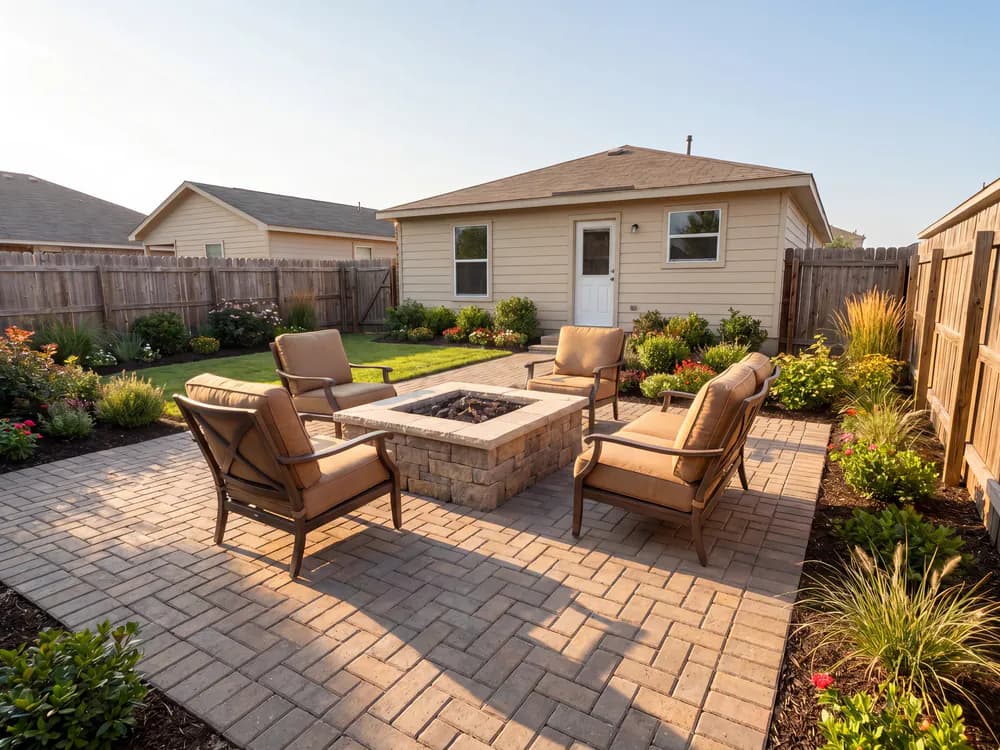
One photo of the patio or lawn is enough to start.
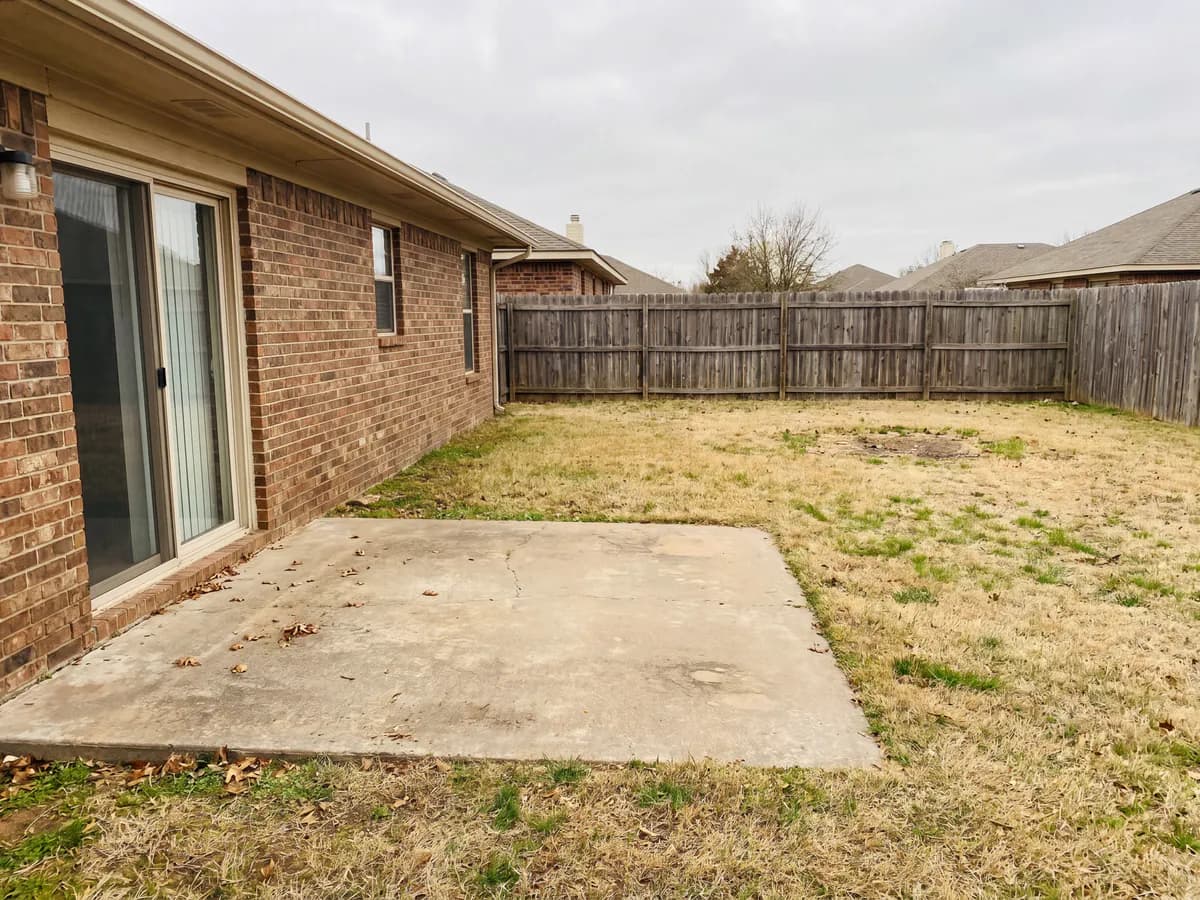
Shoot the patio, lawn, or seating area with the house in frame so the scale stays honest.
A wood-burning or gas pit, round or linear, in stone, concrete, or steel, with the seating around it.
Get a few fire pit layouts on your real space and rule out the wrong spots fast.
What an honest fire pit concept has to get right.
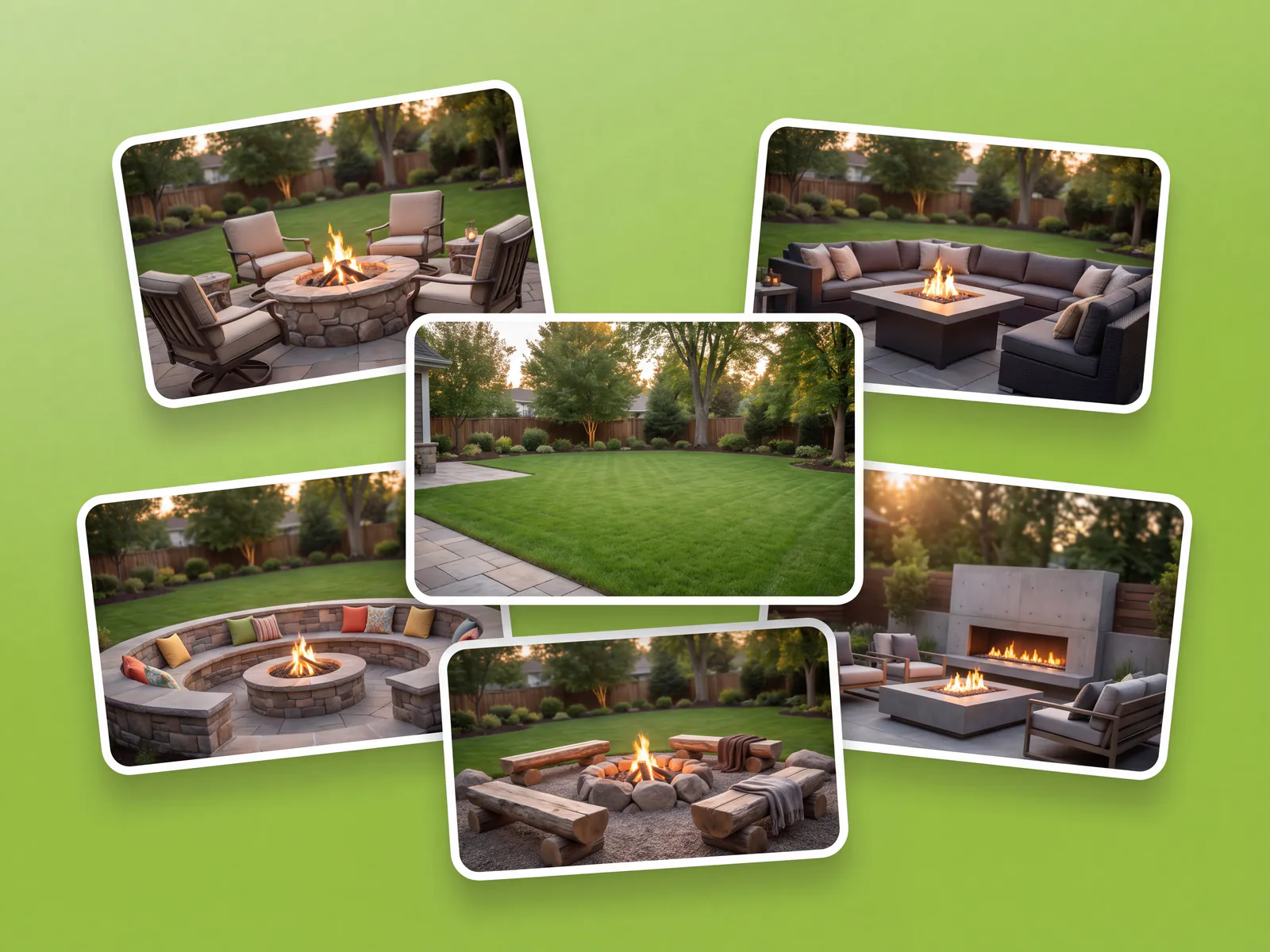
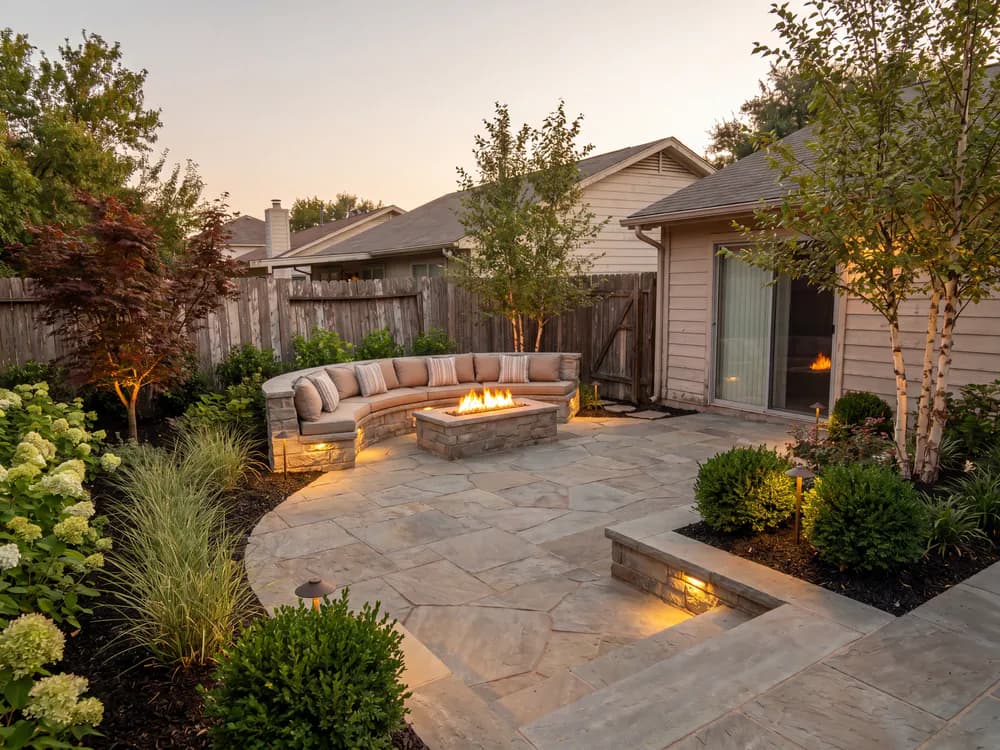
A round wood-burning pit, a square gas table, or a linear fire feature, each rendered in your yard so you can judge the look and the gathering space before you build.
Natural stone, pavers, concrete, or steel with the seating set around the fire, against your house and planting, so the look is a decision and not a guess.
See a wood-burning pit or a gas fire feature where it would sit, with the seating and clearances around it, then take the concept to a builder.
Dozens of design styles for any outdoor space, ready in under a minute.
Real fire pit projects, from weekend builds to custom patios.
“We almost set the fire pit too close to the house. Seeing it placed right on our own patio first saved us a costly redo here.”
“I show the client a fire pit on their own backyard photo before quoting, and it takes the talk straight to the real budget.”
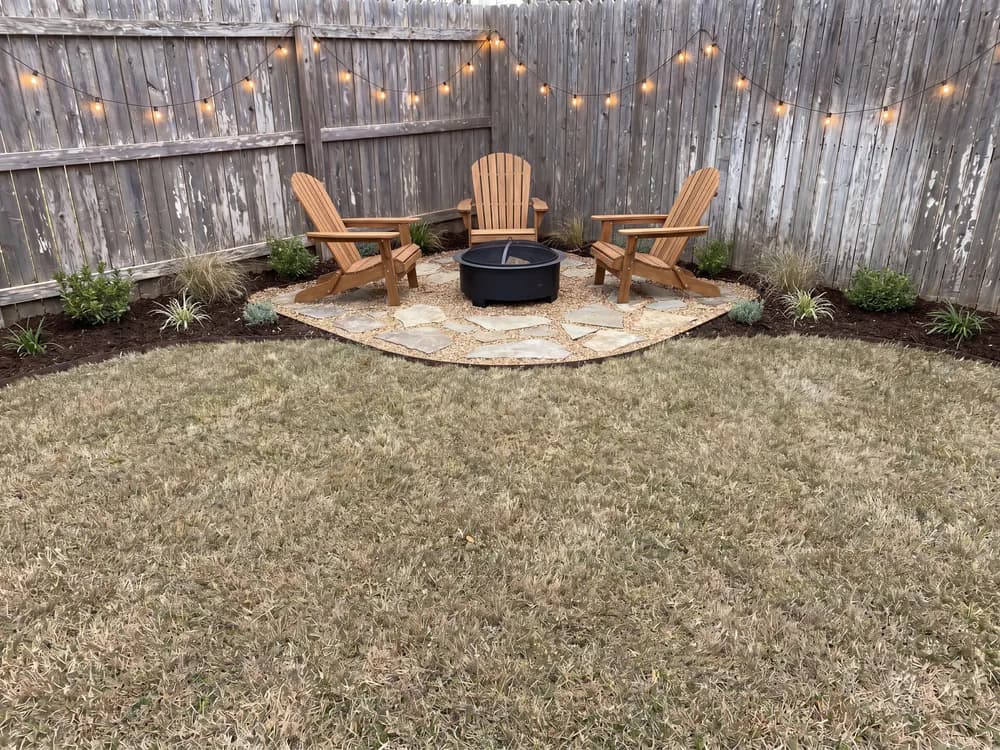
“Wood-burning or a gas feature was the whole debate at home. Comparing both on our own real lawn settled it one quiet evening.”
For fire pit and landscape pros generating client concepts at volume, with team access.
The usual ways to plan a fire pit, and where each one leaves you.
| Feature |  | Landscape designer | Design software | Guessing |
|---|---|---|---|---|
| Getting to a design | ||||
| See it on your actual yard | ||||
| First design in under a minute | ||||
| No skills or software to learn | ||||
| Try many styles cheaply | ||||
| Cost & commitment | ||||
| Typical cost to start | $ | $$$$ | $$ | Free |
| Time to a usable concept | ~1 min | 1-3 weeks | Hours | — |
| Locked into one direction | ||||
| Confidence | ||||
| Decide before you spend | ||||
| Share concepts with a pro | ||||
Short answers before you upload.
Yes. It designs from your photo, so the fire pit lands at a believable scale in your real yard, with the seating around it, not a generic patio.
Yes. Try a wood-burning pit or a gas fire feature, round or linear, in stone, concrete, or steel on the same photo.
Yes. Ask for chairs, a seat wall, or a sunken lounge around the fire and compare how each one fills the space.
No. It is a concept to take to a builder or pair with a kit. It sets the style, the spot, and the look, not gas lines, footings, or clearances.
OutdoorBrite is a paid product, with no free tier. Plans cost a fraction of hiring a designer and scale with how many designs you generate and the resolution you need.
Design the whole yard around the fire pit, not just the feature.
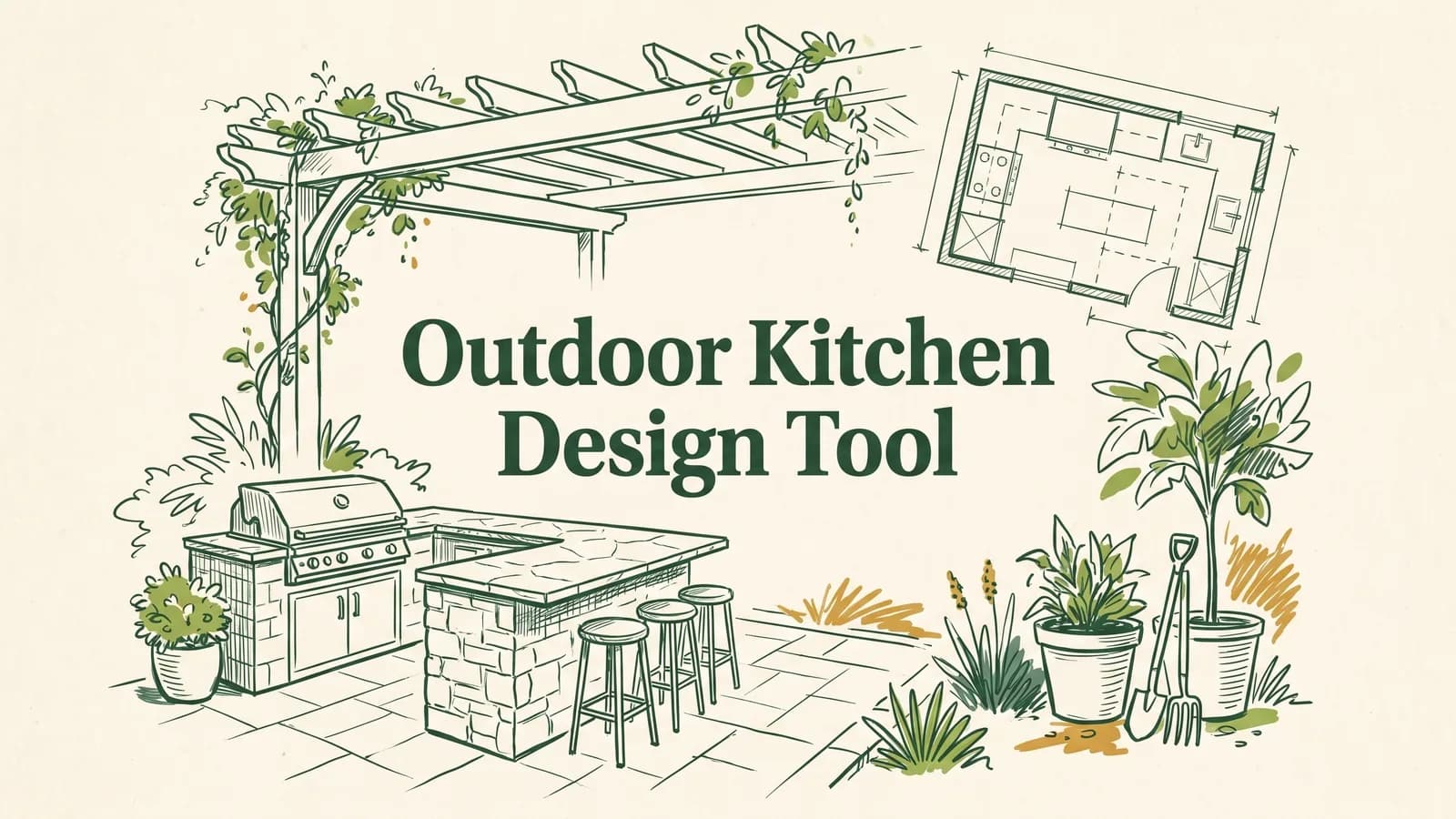
Design a built-in outdoor kitchen on your real patio from one photo.
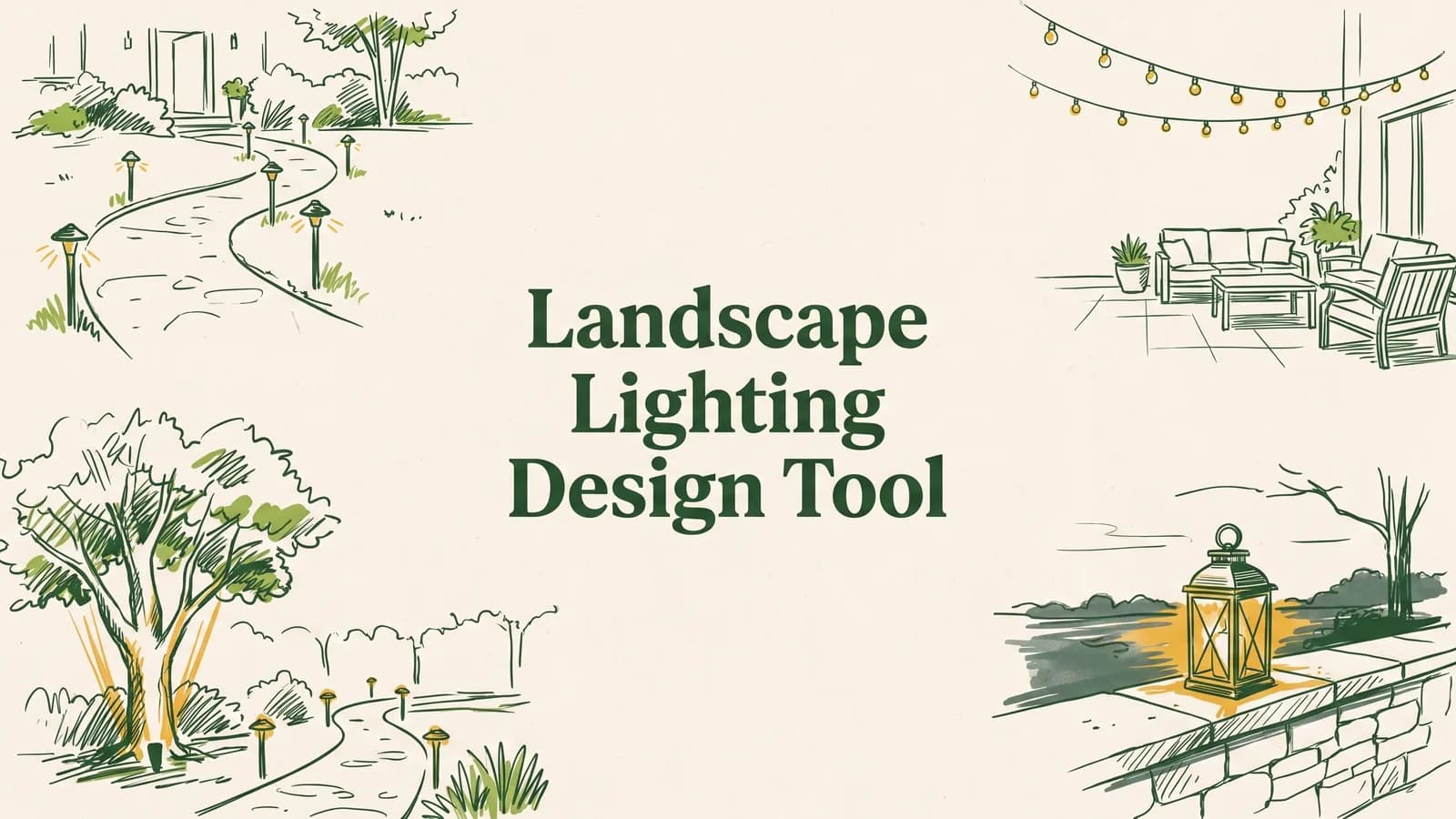
Turn a daytime yard photo into an evening concept with the lighting in place.

Drop a pool into your real yard, then test shapes and decking.
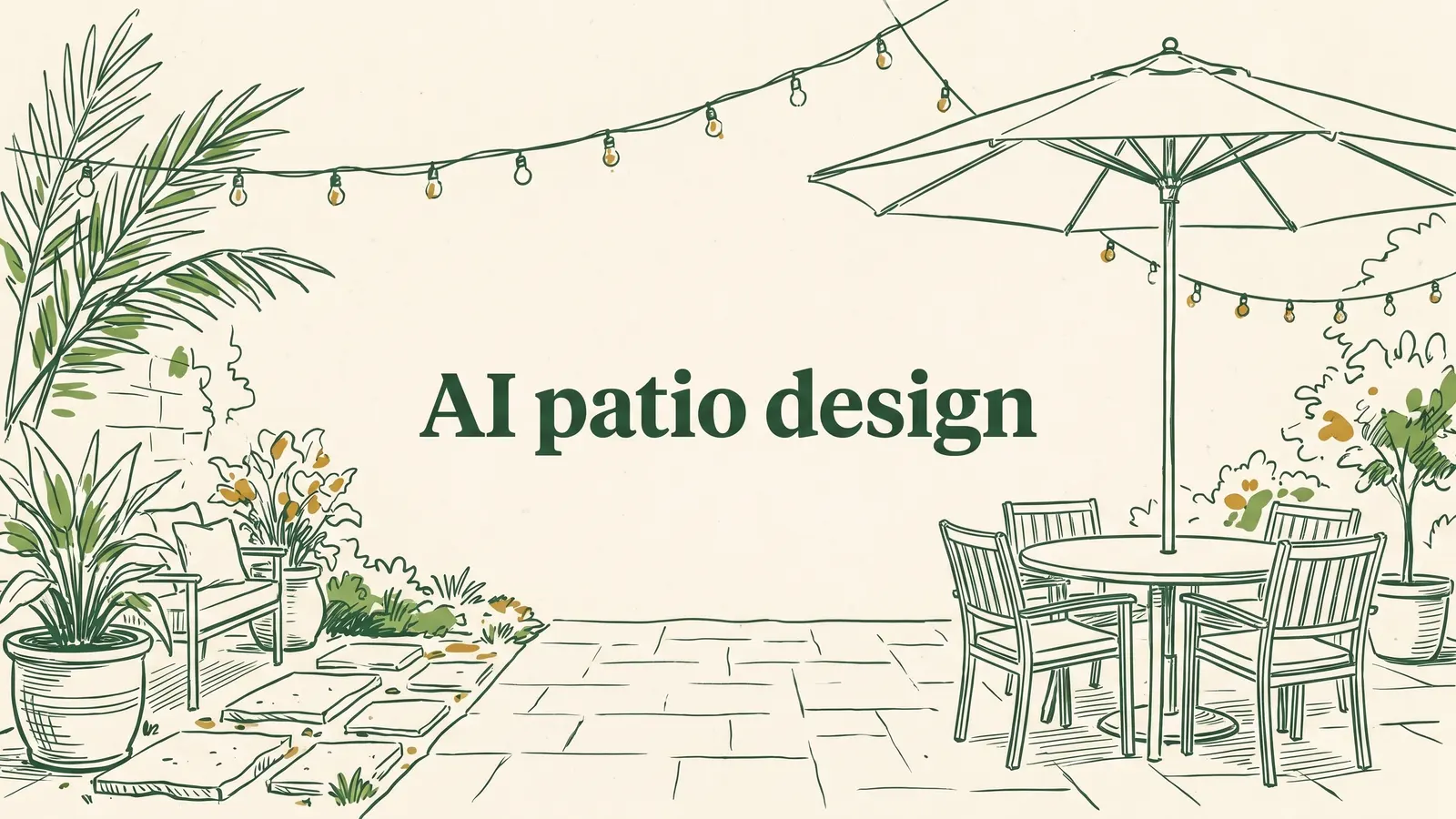
Patio pavers, pergolas, and outdoor kitchens. Try materials first.
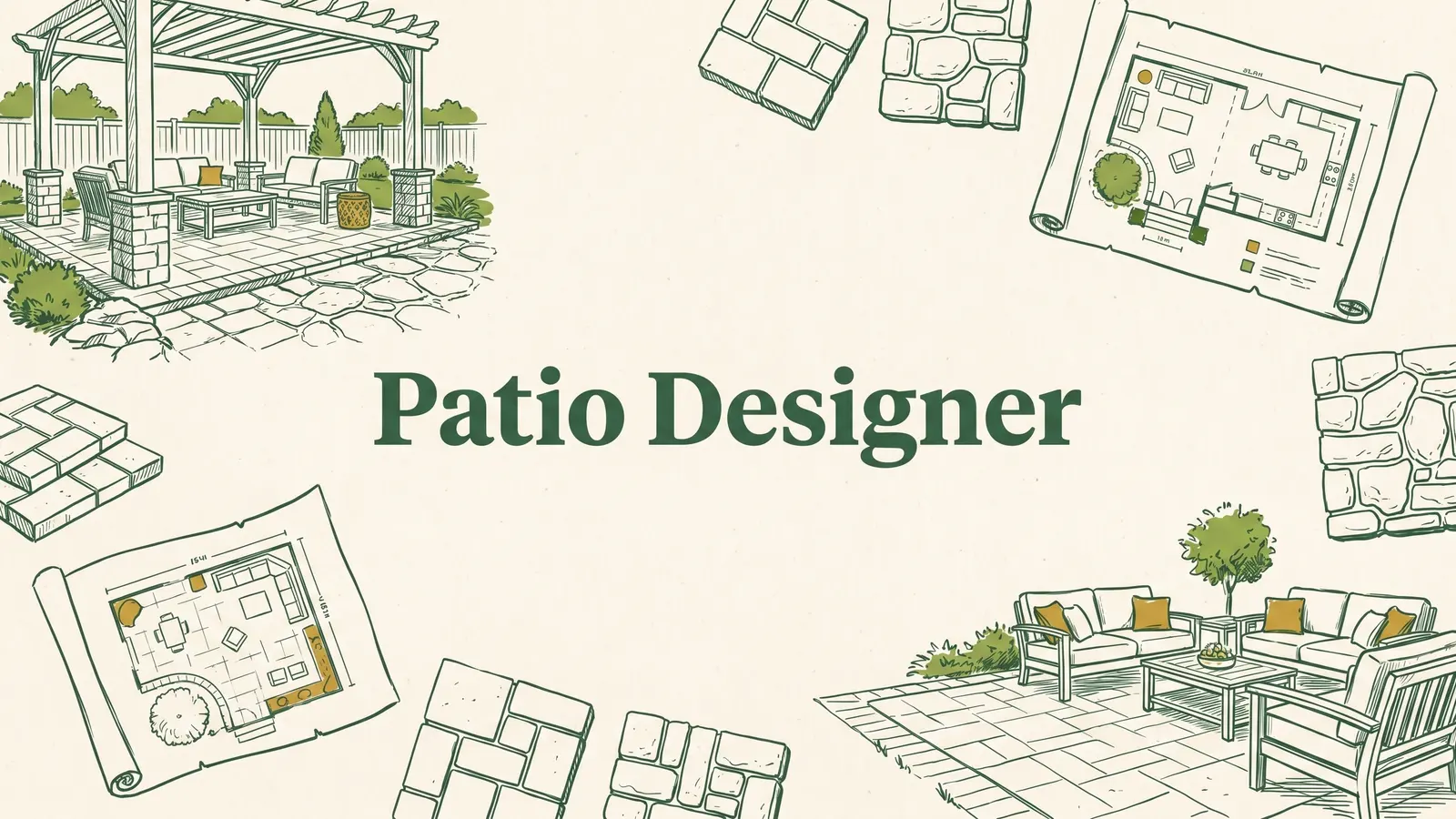
Your patio designer: redesign your patio and compare materials from one photo.
Photograph your patio and compare styles and surfaces from your phone.
One photo. A fire pit you can picture. Concepts in seconds.