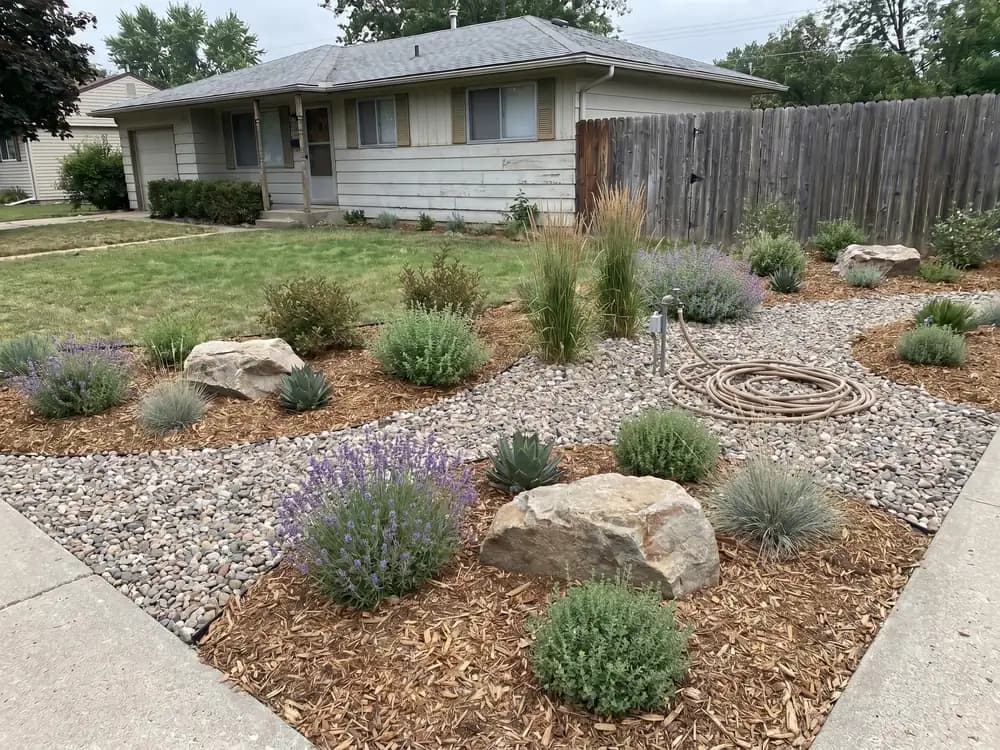
“Our water bill kept climbing. Seeing the front yard as a planted xeriscape, not a rock pit, won my partner over.”
Homeowner
Lawn conversion
Ripping out a lawn is a one-way decision. Upload a photo and see your yard as a drought-tolerant xeriscape, with real plants, gravel, and hardscape, before you tear anything out.


Homeowners, DIYers, sellers & landscapers
Featured in






A dead lawn is cheap. A bad xeriscape is not.
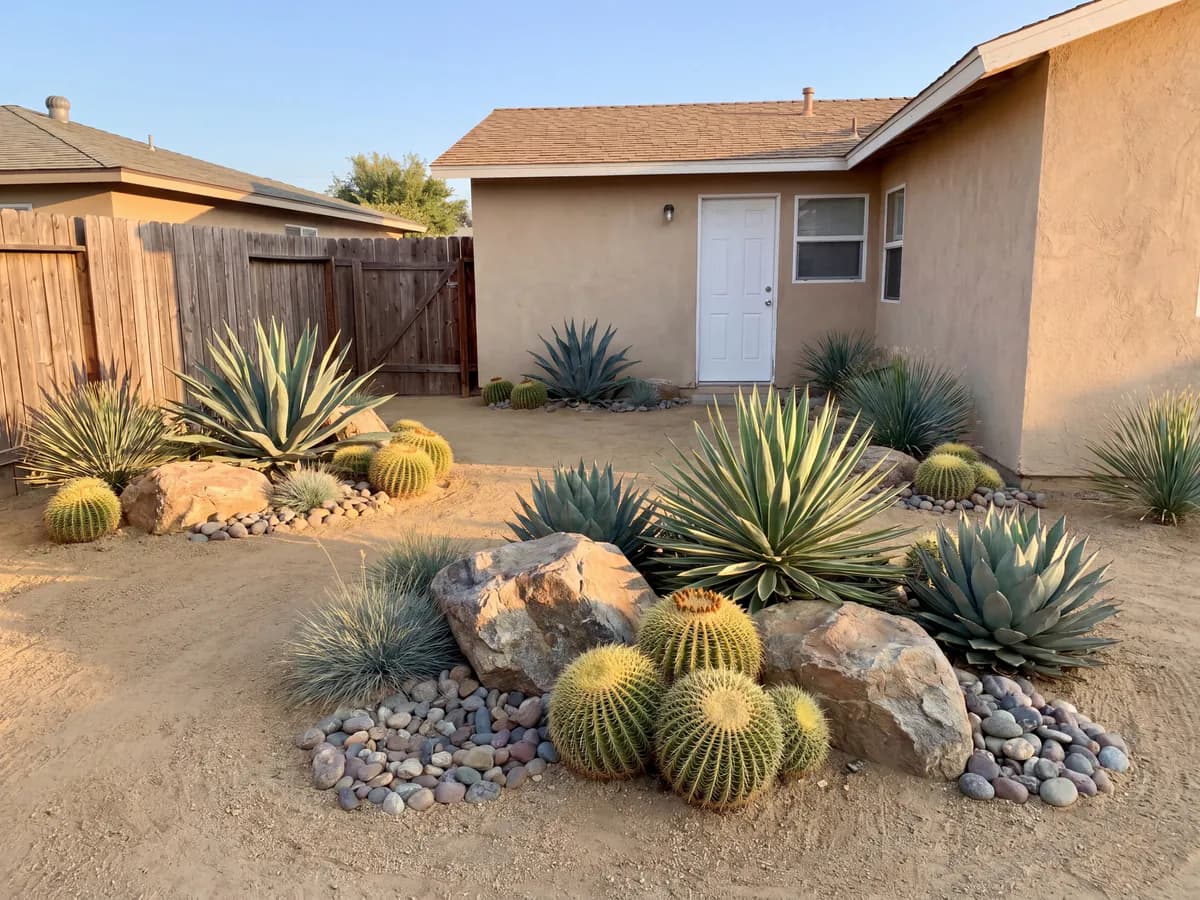
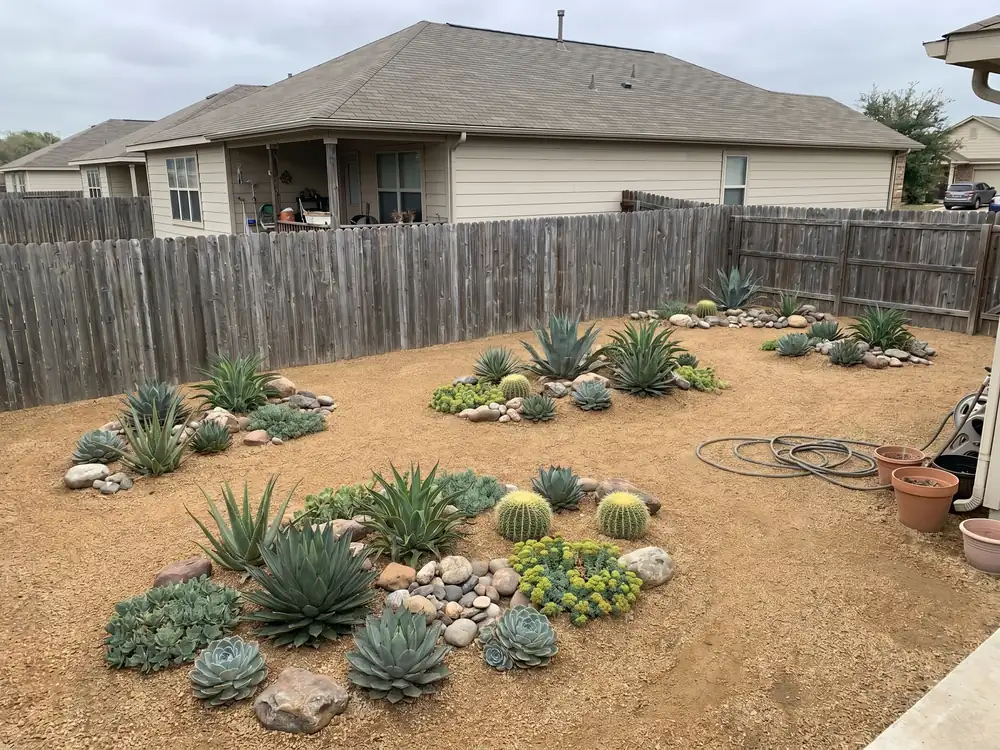
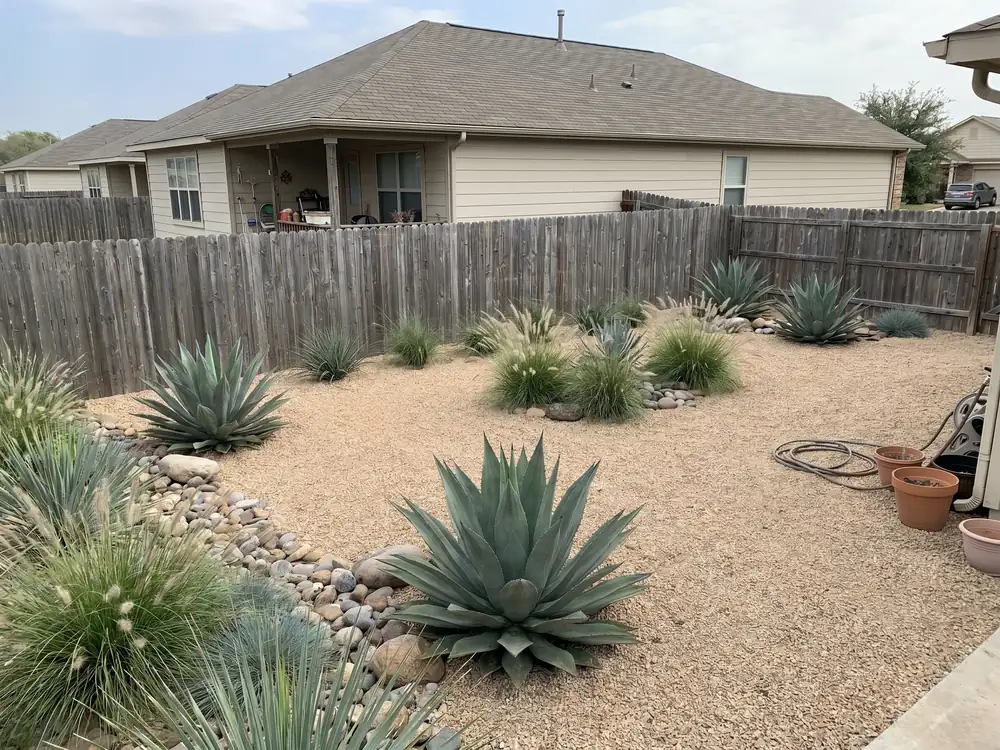
Your actual yard replanted dry: gravel, boulders, and drought-tolerant beds at real scale, before you dig.
Test a low-water design that still has curb appeal before you commit to losing the grass.
Shoot the lawn, pick a dry style, and see whether xeriscape suits your house in seconds.
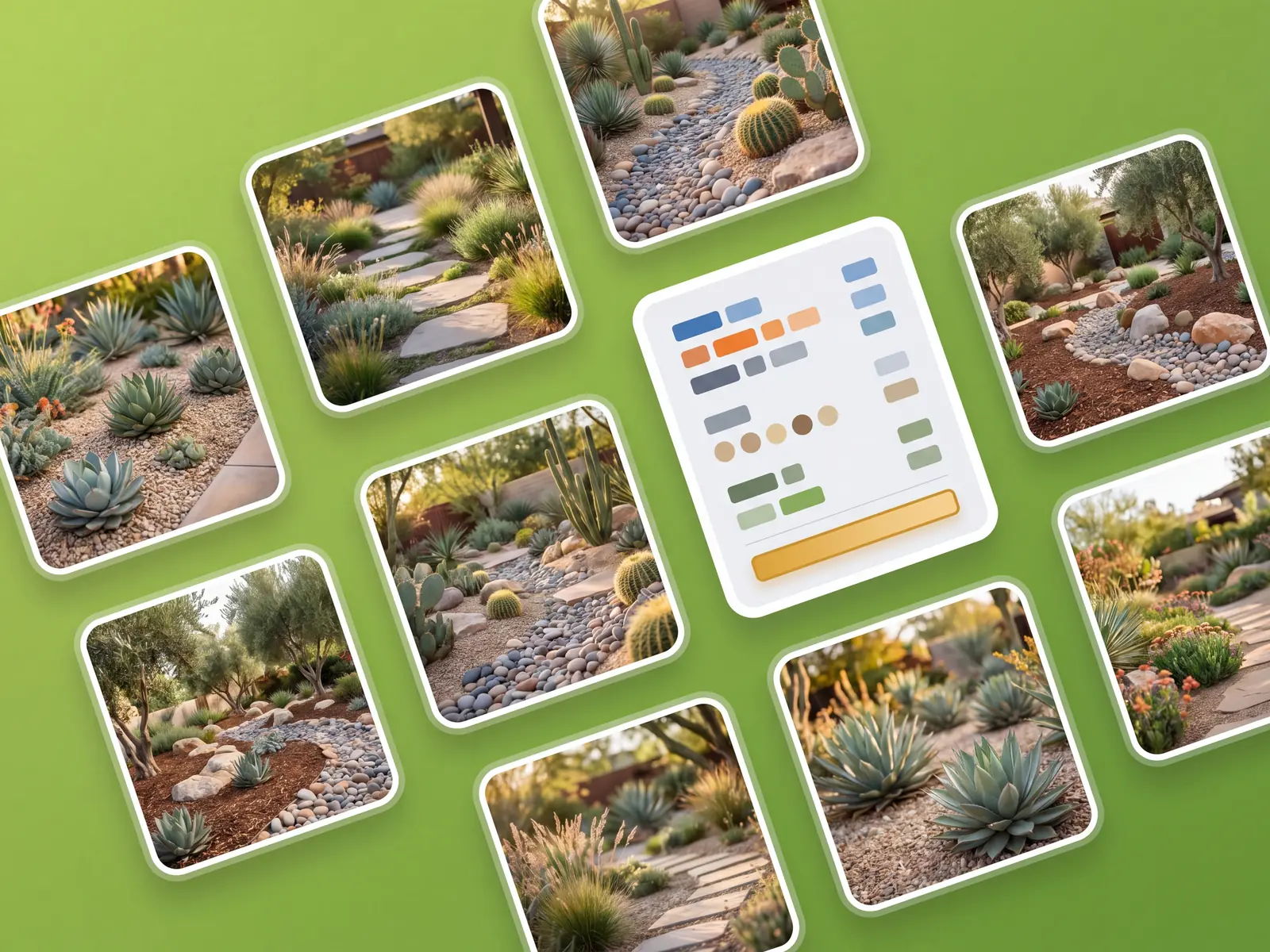
Desert, Mediterranean, modern, and natural dry-garden looks, applied to a photo of your actual yard.
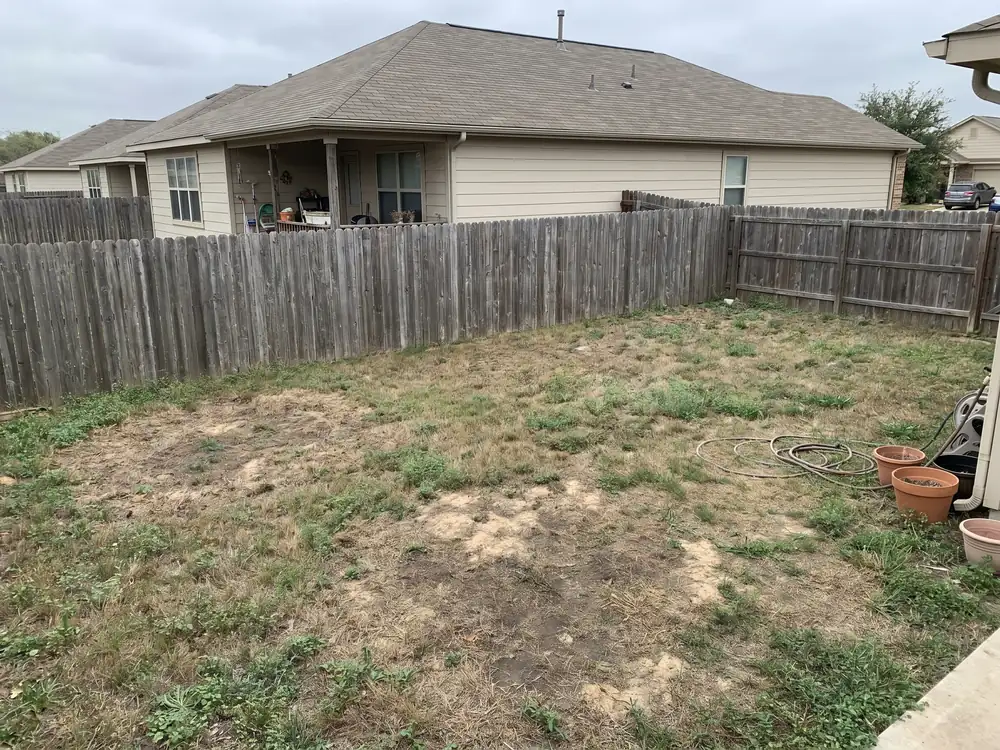
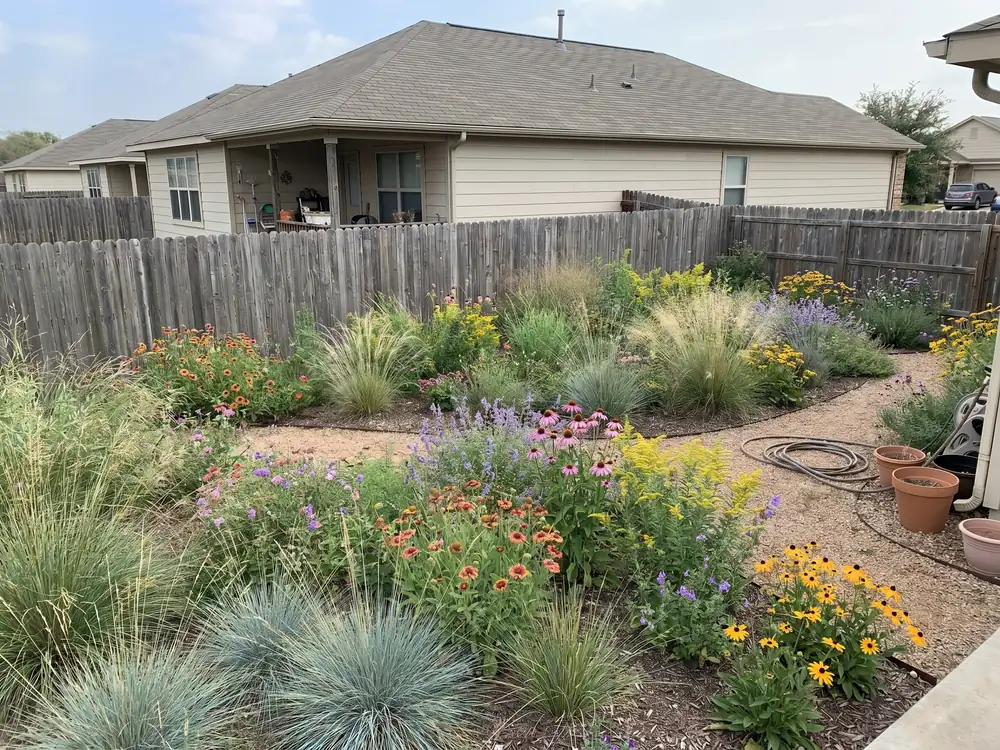
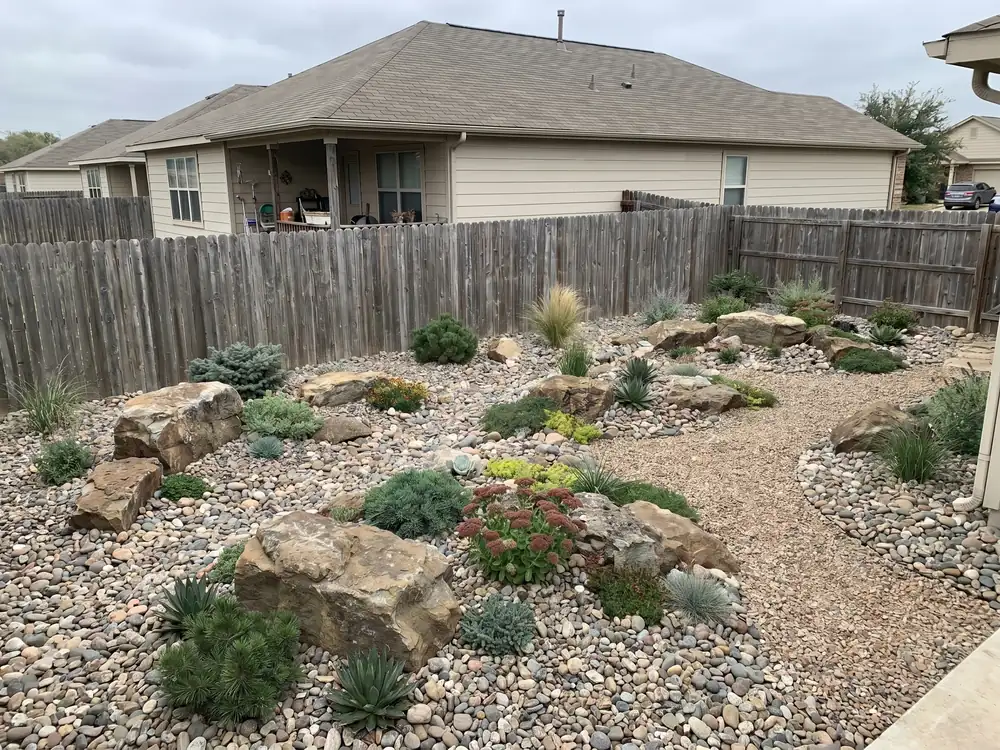
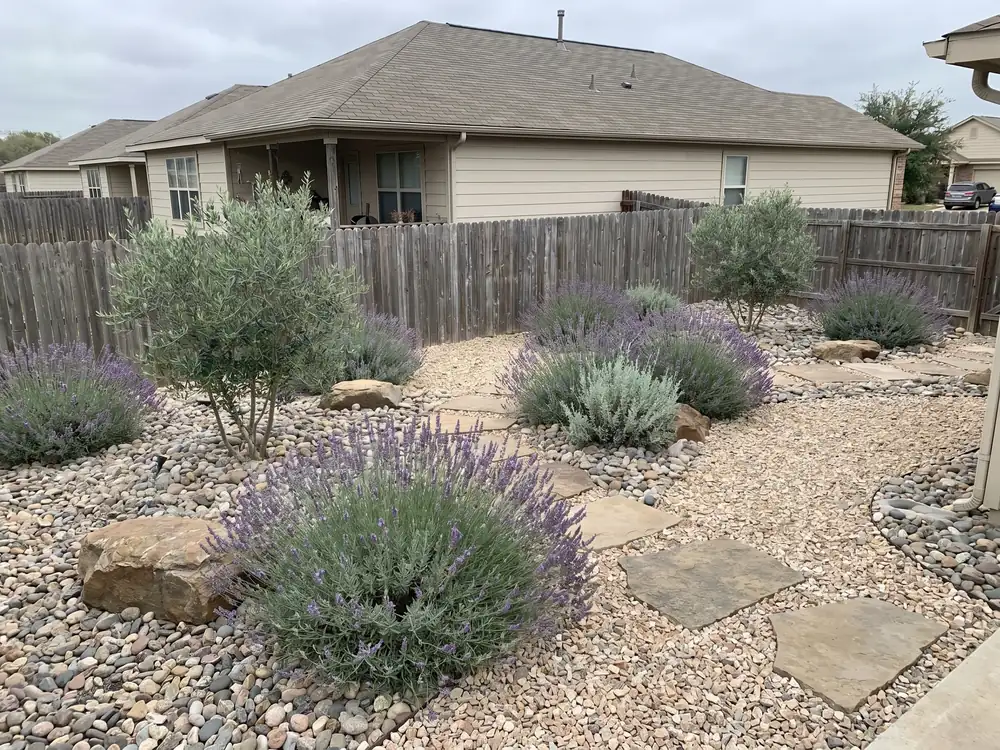
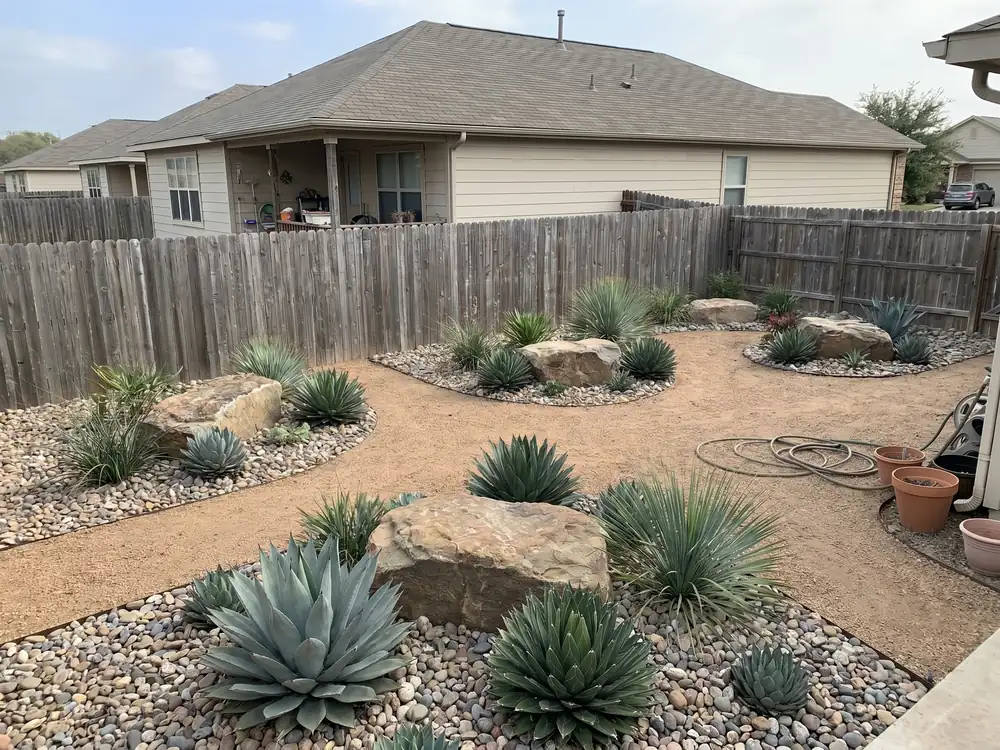
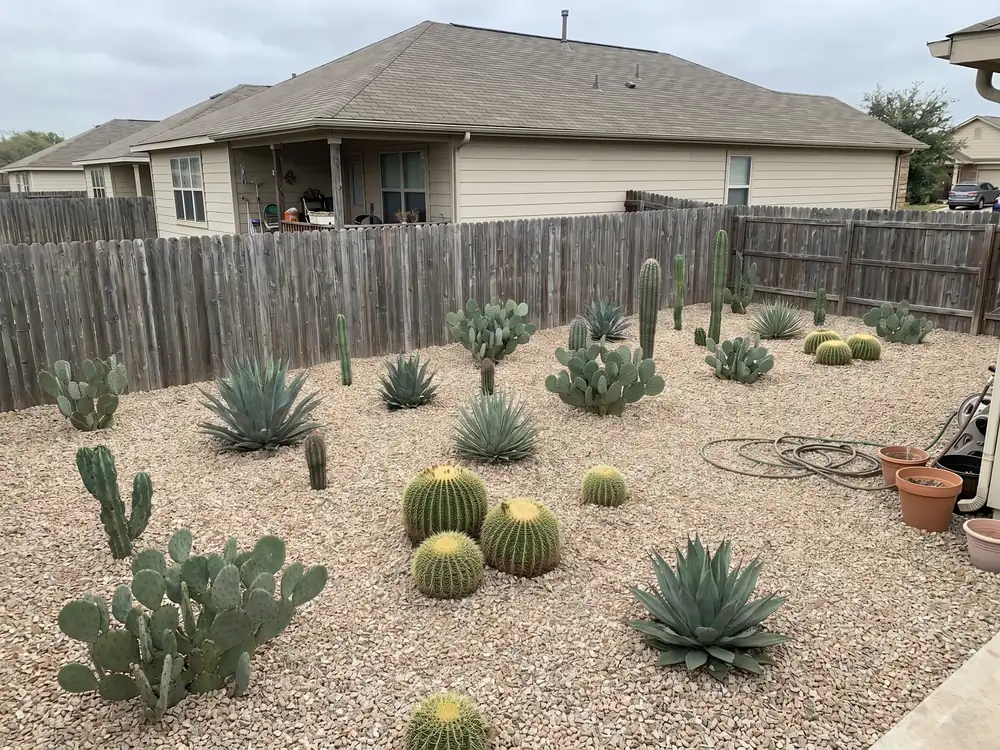
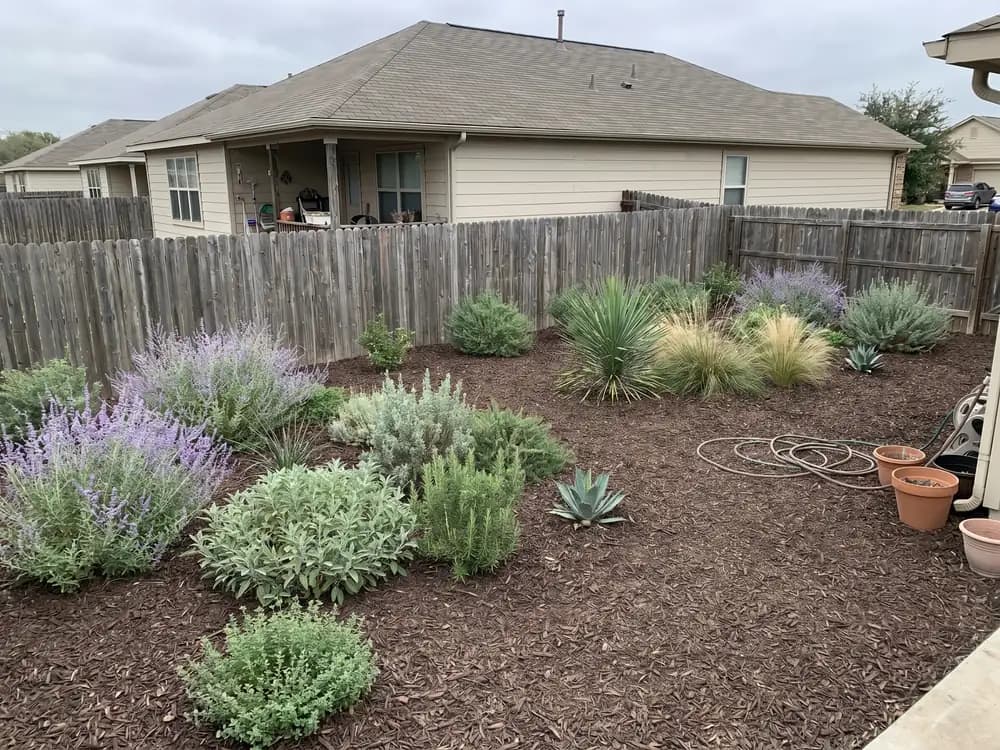
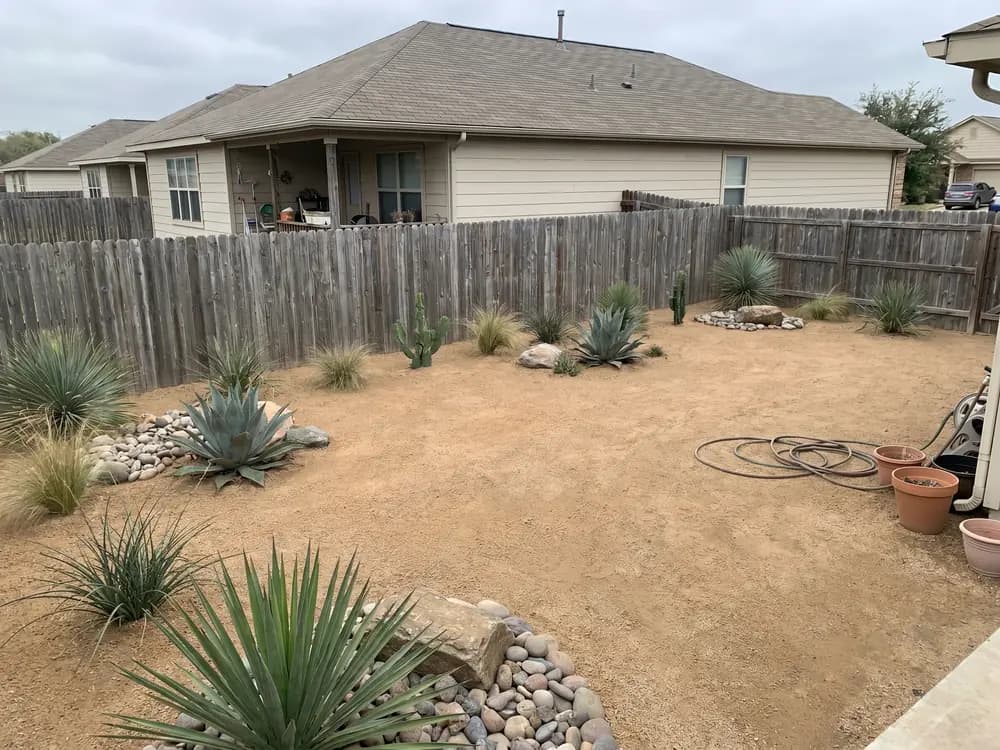
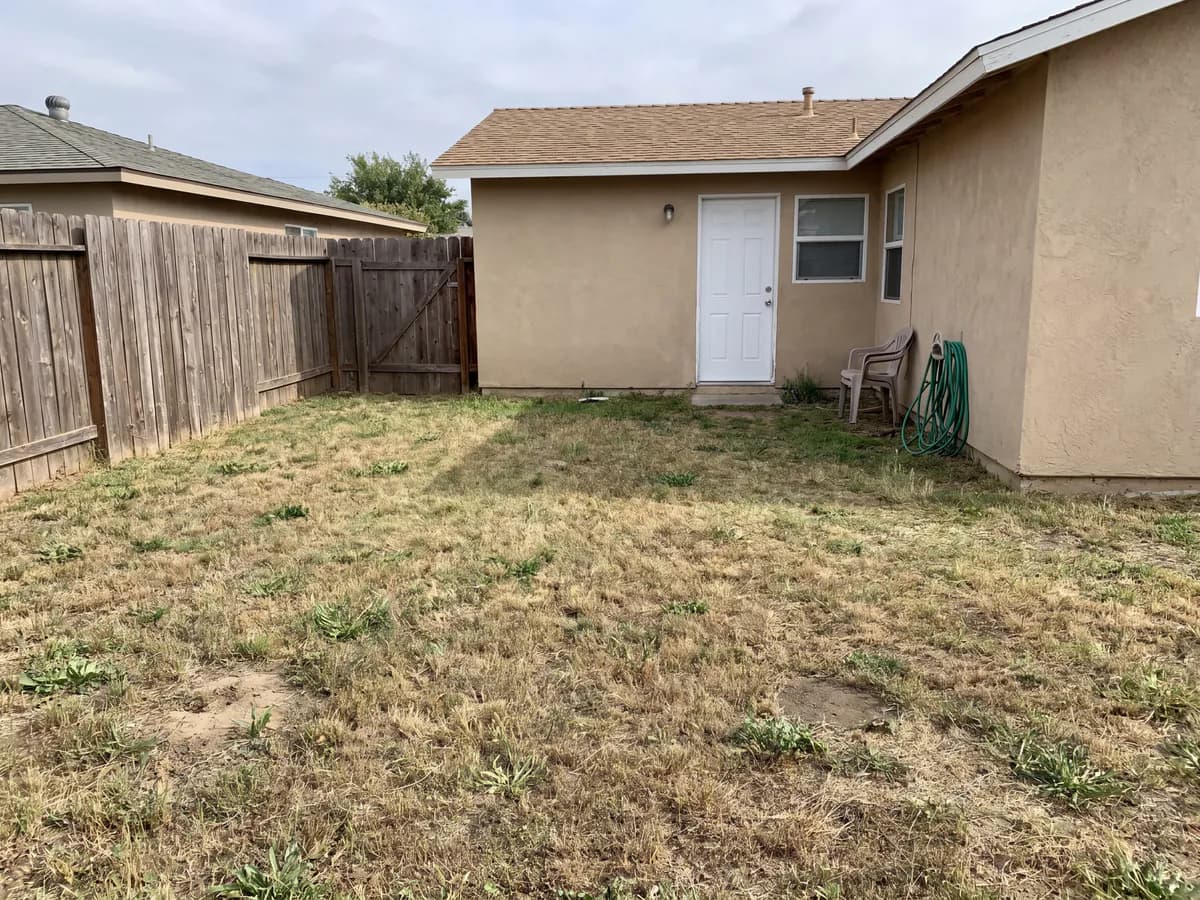
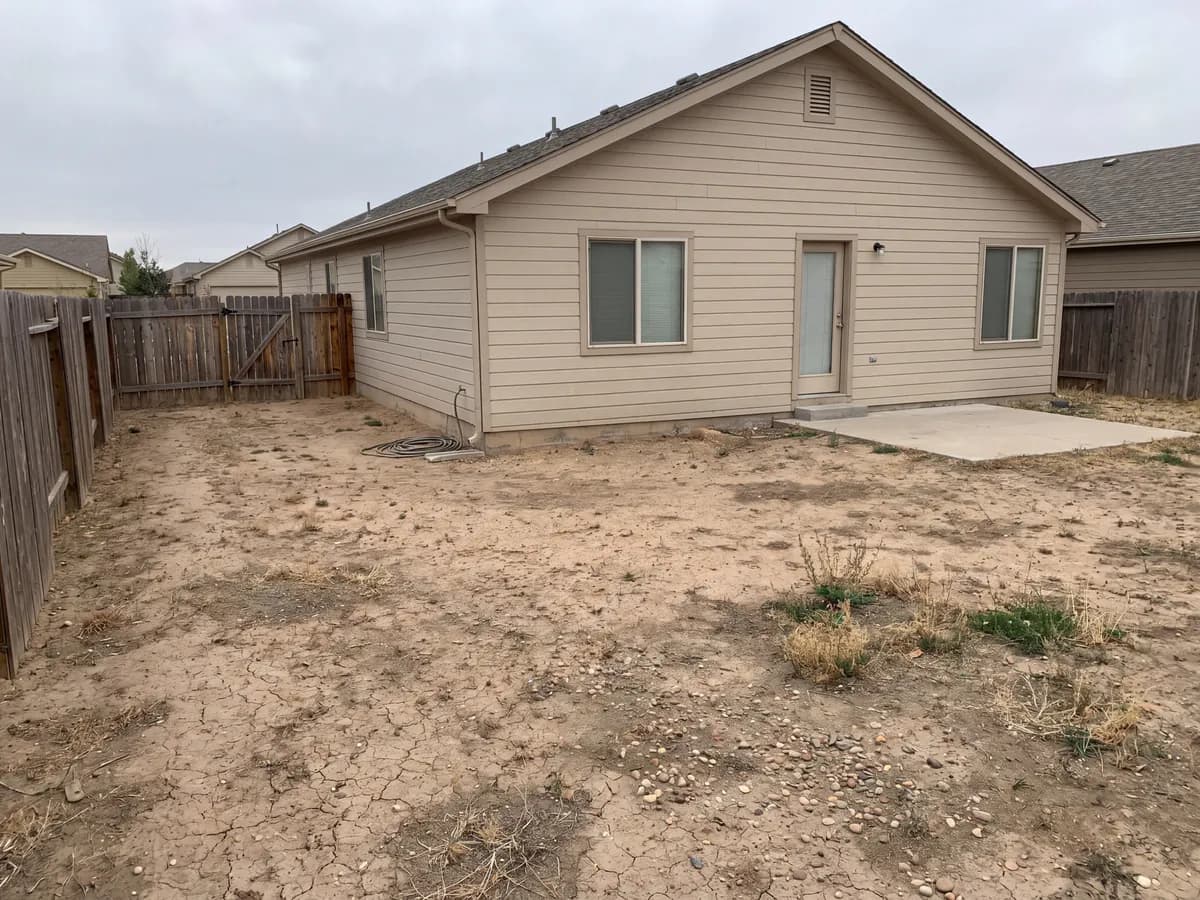
One photo of the lawn you want gone.
Shoot the front or back lawn with the house in frame so the new beds sit in scale.
Pick a desert, Mediterranean, or modern dry style and how much lawn to keep, if any.
See the yard replanted with drought-tolerant beds, gravel, and hardscape you can take to a nursery.
What an honest xeriscape plan has to get right.
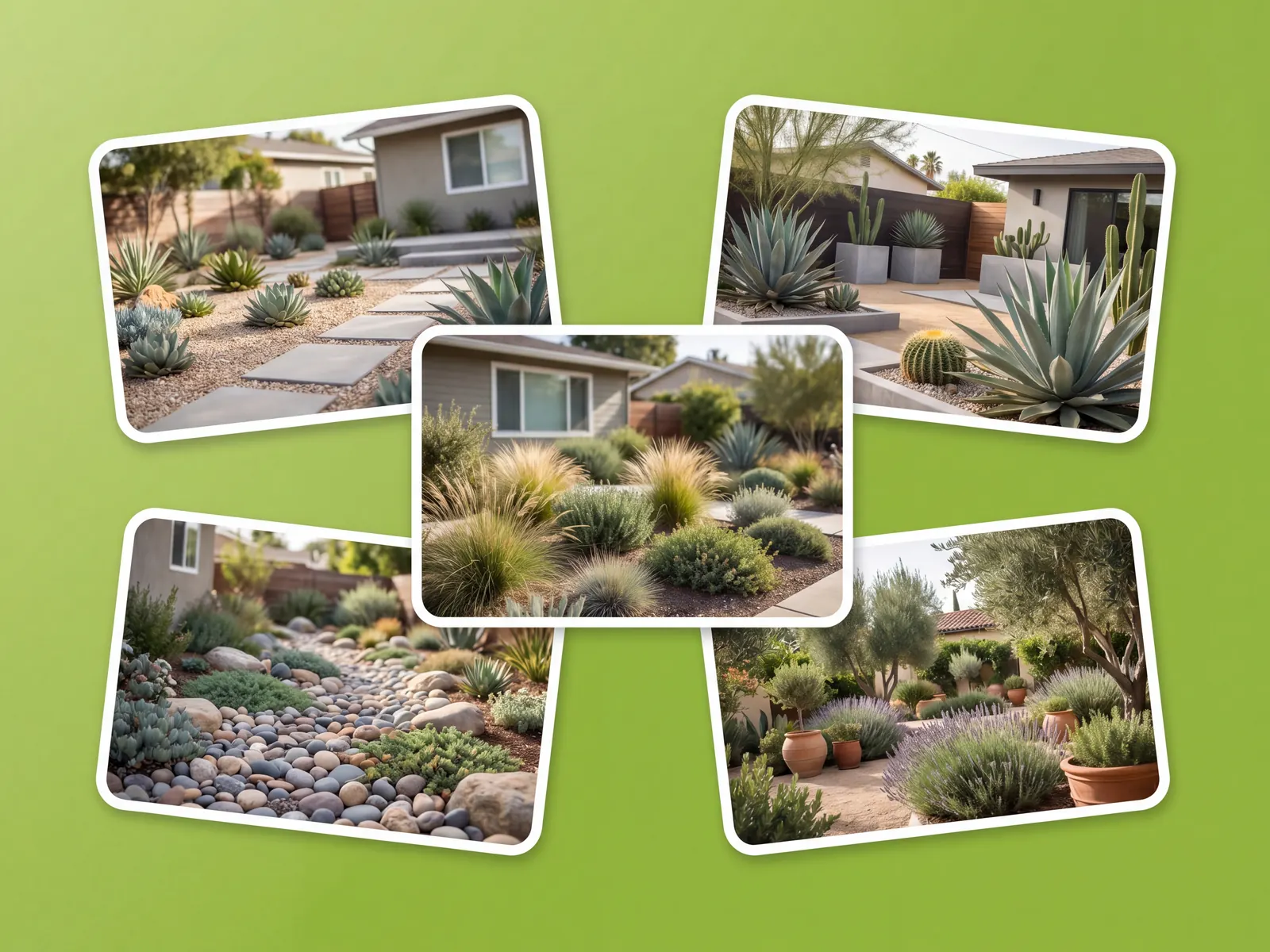
Agave, ornamental grasses, succulents, and natives grouped so the bed reads as designed, not as a gravel pit with three plants in it.
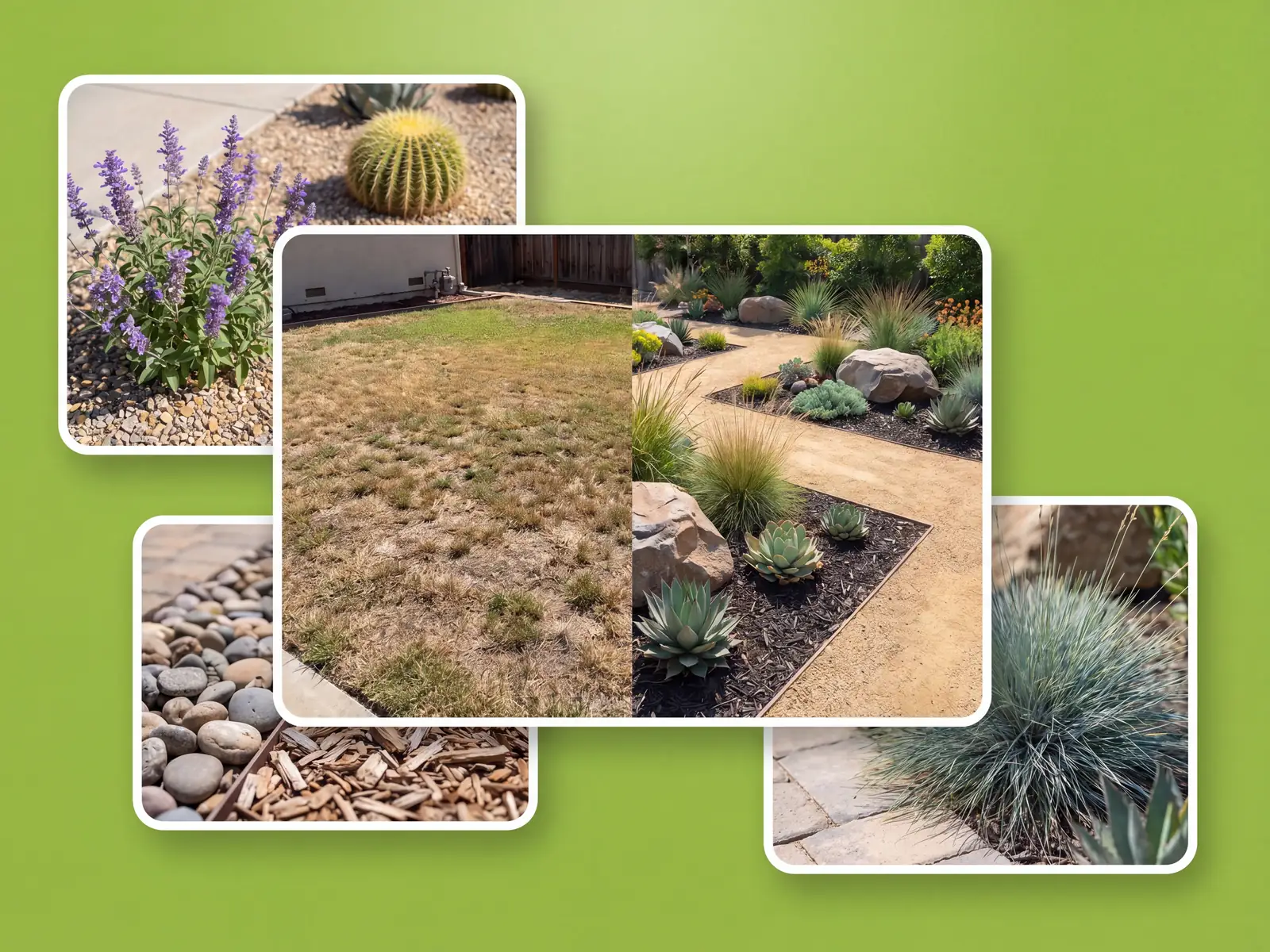
Decomposed granite, rock mulch, boulders, and dry paths placed against your house, so the no-lawn look still has structure.
Convert the thirsty front lawn for curb appeal or the back for low upkeep. Keep a small patch of lawn or lose it entirely.
Dozens of design styles for any outdoor space, ready in under a minute.
Real lawn-to-xeriscape conversions.
“Our water bill kept climbing. Seeing the front yard as a planted xeriscape, not a rock pit, won my partner over.”
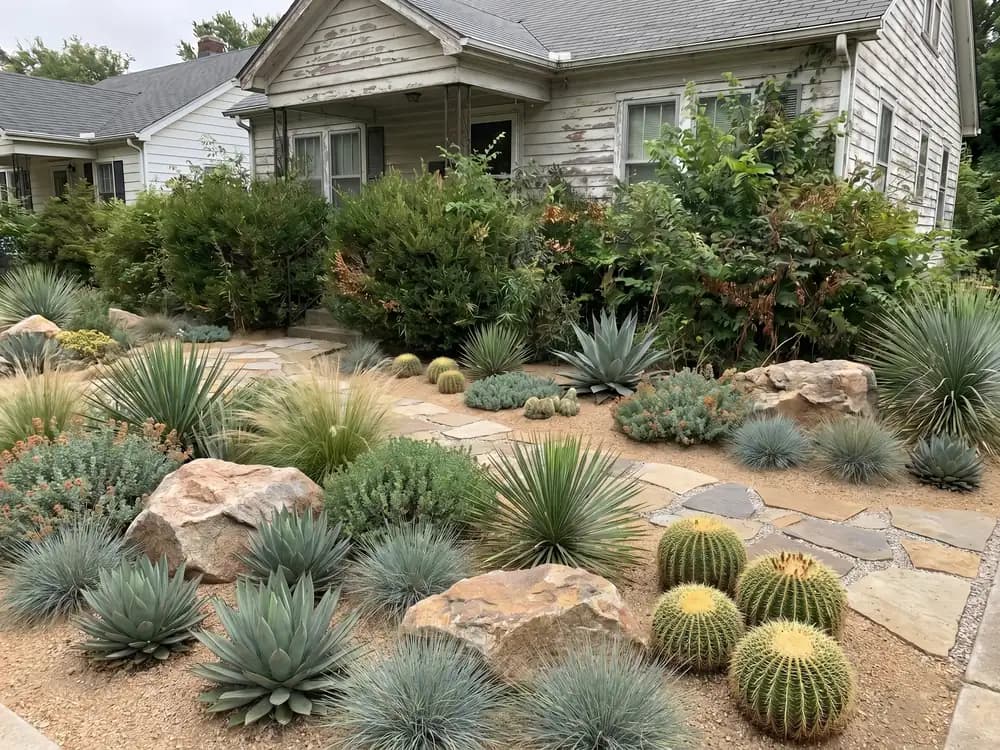
“Clients fear low-water means gravel with three plants in it. A concept on their own yard shows it reads planted.”
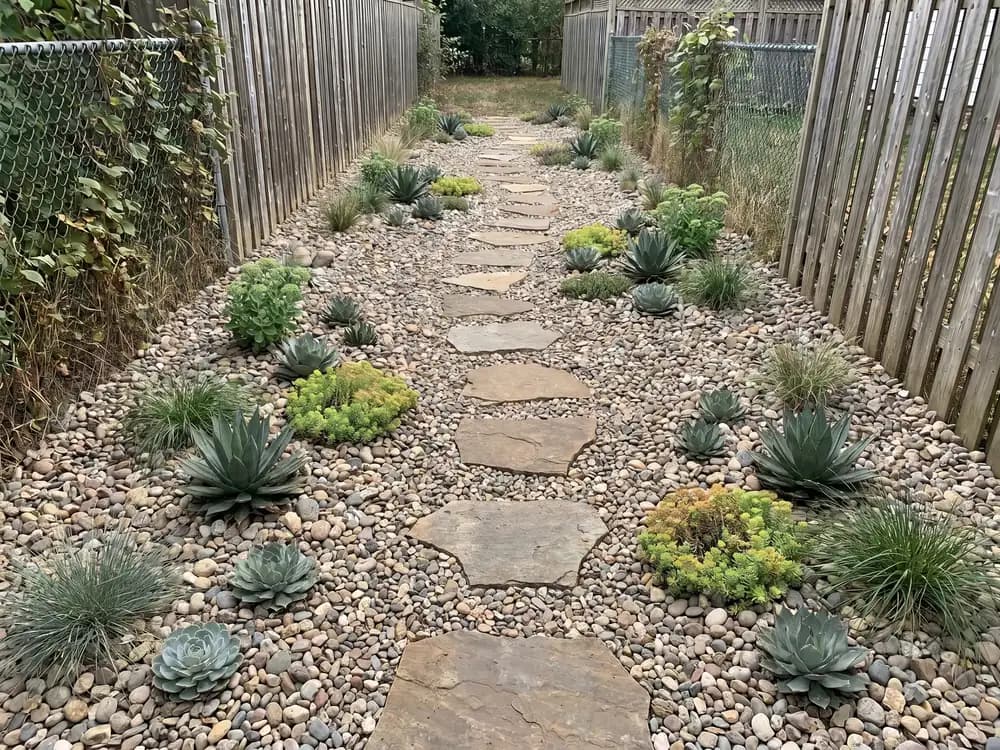
“The city pays a rebate for losing the lawn. I planned out the new drought-tolerant beds before the deadline hit.”
For landscape pros generating client xeriscape concepts at volume, with team access.
The usual ways to plan a low-water yard, and where each one leaves you.
| Feature |  | Landscape designer | Design software | Guessing |
|---|---|---|---|---|
| Getting to a design | ||||
| See it on your actual yard | ||||
| First design in under a minute | ||||
| No skills or software to learn | ||||
| Try many styles cheaply | ||||
| Cost & commitment | ||||
| Typical cost to start | $ | $$$$ | $$ | Free |
| Time to a usable concept | ~1 min | 1-3 weeks | Hours | — |
| Locked into one direction | ||||
| Confidence | ||||
| Decide before you spend | ||||
| Share concepts with a pro | ||||
Short answers before you upload.
Xeriscaping is landscaping that needs little or no irrigation, using drought-tolerant plants, gravel, and hardscape instead of thirsty lawn. This tool shows your yard redesigned that way from a photo.
Yes. It groups drought-tolerant plants so the beds read as designed. You can keep a small lawn or remove it entirely.
It proposes plants that suit a low-water style. Confirm final species against your climate zone before buying.
Yes. Convert the front lawn for the street view or the back for low upkeep, your choice, on the same photo.
OutdoorBrite is a paid product, with no free tier. Plans cost a fraction of hiring a designer and scale with how many designs you generate and the resolution you need.
Design every space dry or planted, not just the front lawn.
Garden beds and planting plans by style, cottage to xeriscape.
Your AI garden designer: redesign beds and borders from one photo.
Your AI garden planner: lay out beds and planting from one photo.
See your tired garden made over on your own photo, before you spend on plants or labor.
Try beds, paths, and planting styles on a photo of your real garden.
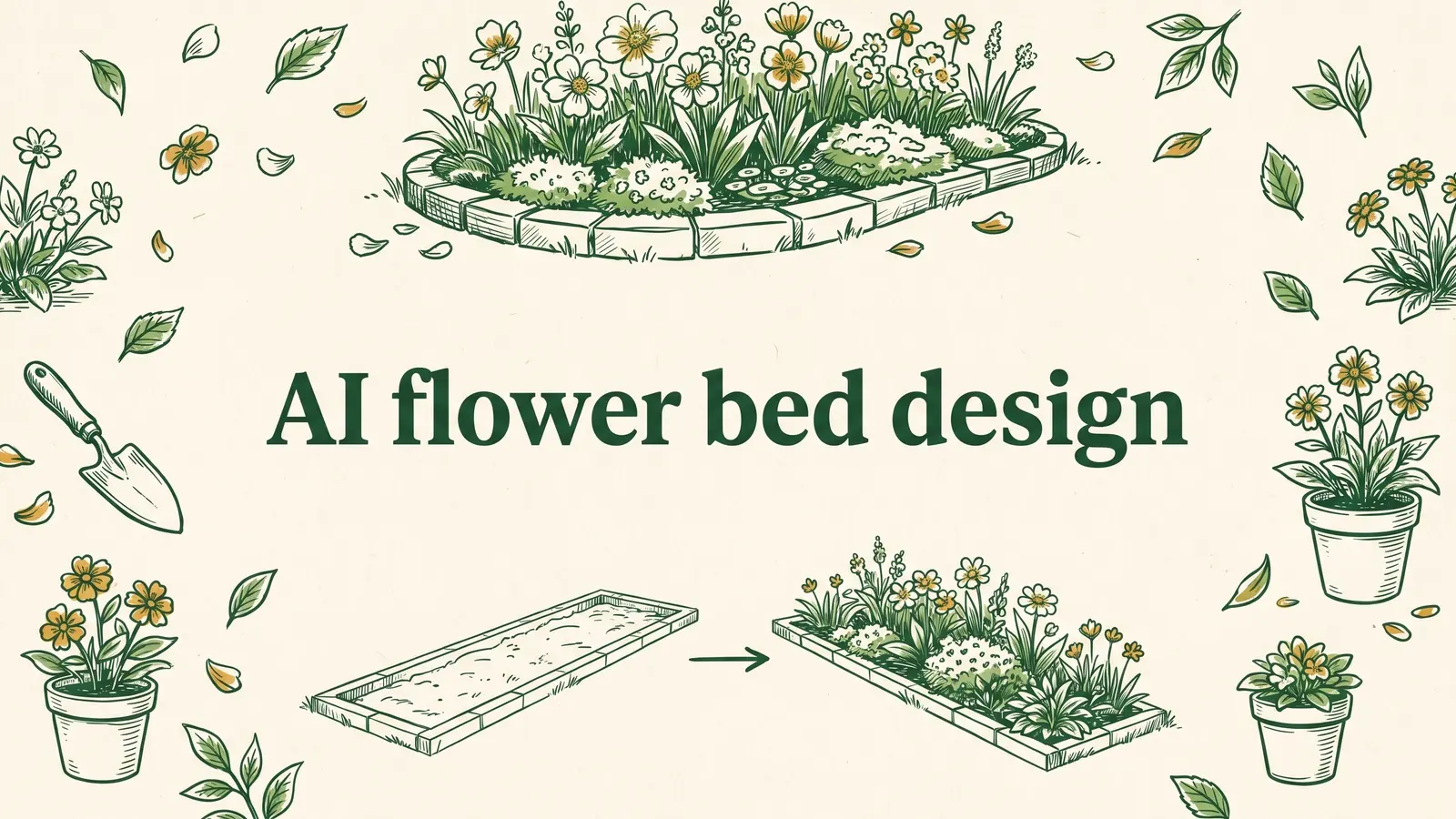
Replant your bed from a photo. Compare styles side by side.
One photo. A low-water yard you can picture. Concepts in seconds.